
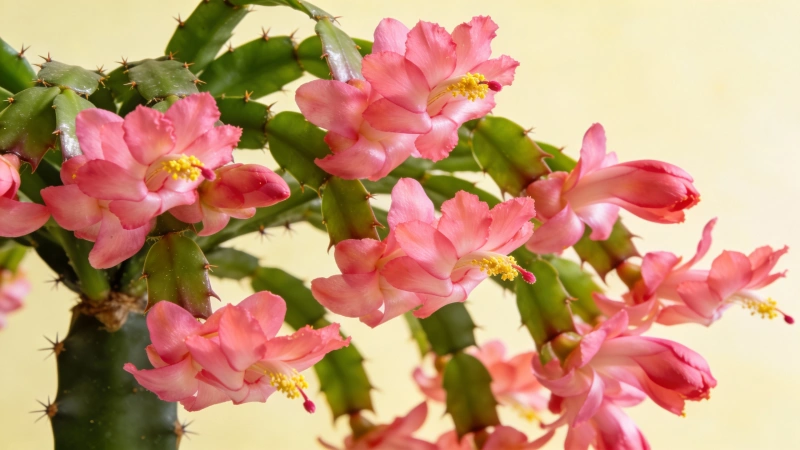

I almost killed my first Christmas cactus. The leaves turned red, the buds dropped off, and it refused to bloom for an entire year. Sound familiar?
Three years later, that same plant produces over 50 blooms every holiday season. I’ve also successfully propagated 9 new plants to give to friends and family.
The truth is, Christmas cactus care isn’t complicated once you understand what this plant actually needs. The problem? Most people treat it like a desert cactus when it’s actually a tropical plant from Brazilian rainforests.
In this guide, I’ll share everything I learned the hard way—from the basics of watering and light to the secret “dark treatment” that triggers those gorgeous holiday blooms. Whether you’re a complete beginner or trying to revive a struggling plant, you’ll find practical, tested advice here.
What you’ll learn:
- The exact watering schedule that prevents root rot
- How to trigger blooming every single year
- Common problems and how to fix them fast
- Easy propagation to multiply your collection
Let’s dive in.
Quick Answer: How to Care for a Christmas Cactus
Here’s what your Christmas cactus needs to thrive:
- Light: Bright, indirect light (east or north-facing window is ideal)
- Water: When the top 1-2 inches of soil feel dry
- Temperature: 60-70°F (15-21°C) during the day
- Soil: Well-draining cactus mix
- Blooming secret: 12-14 hours of darkness daily for 6-8 weeks in fall
Below, I’ll break down each of these points with specific tips from my own experience.
What Is a Christmas Cactus?
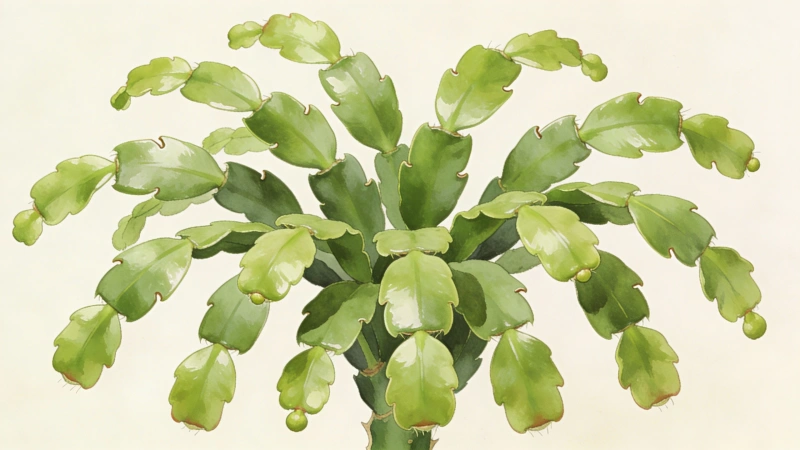
Christmas cactus (Schlumbergera bridgesii or Schlumbergera x buckleyi) isn’t your typical cactus. It comes from the tropical rainforests of Brazil, where it grows on tree branches—not in sandy deserts.
This explains why it needs more humidity and water than desert cacti. It’s technically an epiphyte, similar to orchids.
Here’s the really cool part: with proper care, these plants can live for 20-30 years—and some family heirlooms have survived over 100 years! According to KARE11 news, one family’s Christmas cactus has been passed down for over 125 years.
Christmas Cactus vs. Thanksgiving Cactus vs. Easter Cactus
Here’s something most people don’t know: about 90% of plants labeled “Christmas cactus” in stores are actually Thanksgiving cacti. The good news? Care is identical for all three.
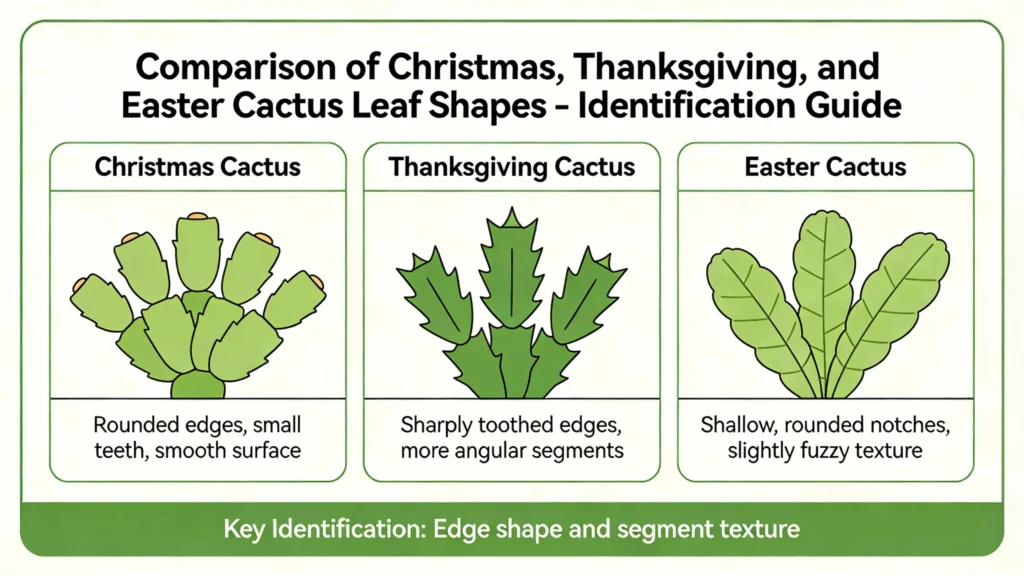
| Feature | Christmas Cactus | Thanksgiving Cactus | Easter Cactus |
|---|---|---|---|
| Leaf edges | Rounded, scalloped | Pointed, claw-like | Smooth, oval |
| Bloom time | Mid-December | November | March-April |
| Flower shape | Symmetrical, drooping | Slightly asymmetrical | Star-shaped |
Basic Care Requirements
Getting the basics right is 90% of success with Christmas cactus. Here’s what I’ve learned works best.
Light Requirements
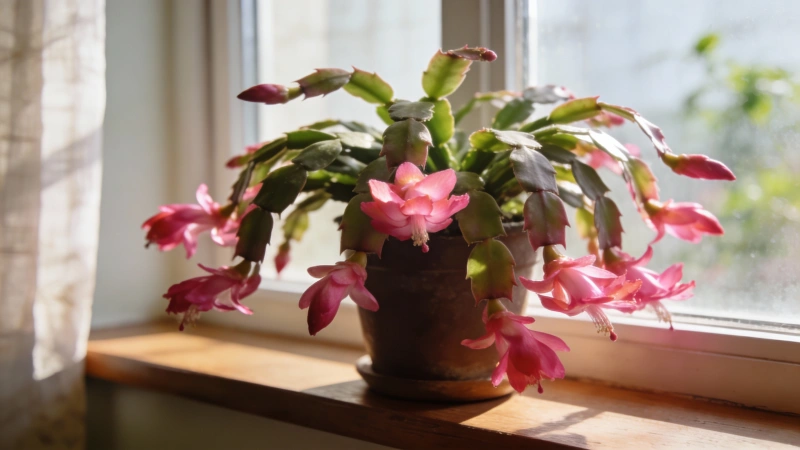
Best conditions:
- Bright, indirect light
- East or north-facing windows work great
- If using south-facing windows, keep 3-6 feet away
Warning signs to watch for:
- Leaves turning red or purple = Too much light
- Thin, stretched growth = Not enough light
I learned this the hard way. My first year, I put my Christmas cactus right on a south-facing windowsill. Within weeks, the leaves turned bright red. Moving it to my east window fixed the problem in about two weeks.
Watering: The Most Important Factor
Improper watering kills more Christmas cacti than anything else. Here’s my tested approach:
The golden rule: Water when the top 1-2 inches of soil feel dry. Stick your finger in to check—don’t just look at the surface.
How to water properly:
- Water thoroughly until it drains from the bottom
- Let it drain completely (about 15 minutes)
- Empty the saucer—never let it sit in water
According to the New York Botanical Garden, you should water thoroughly when the top half of soil feels completely dry, and always remove excess water from the saucer within 15 minutes.
Seasonal adjustments:
- Spring/Summer (growing season): Every 7-10 days
- Fall/Winter (dormant/blooming): Every 10-14 days
If you enjoy low-maintenance houseplants that don’t need frequent watering, you might also like my guide on how to care for a snake plant—another forgiving choice for busy plant parents.
Soil Requirements
Christmas cactus needs soil that drains fast. Regular potting soil holds too much moisture and leads to root rot.
Best options:
- Commercial cactus/succulent mix
- DIY mix: 3 parts regular potting soil + 1 part perlite or coarse sand
The key is drainage, drainage, drainage. Even though these aren’t desert plants, their roots will rot quickly in soggy soil.
Good drainage is equally important for other popular succulents. If you’re growing multiple plants, check out my tips on how to take care of an aloe vera plant—same soil principles apply.
Temperature and Humidity
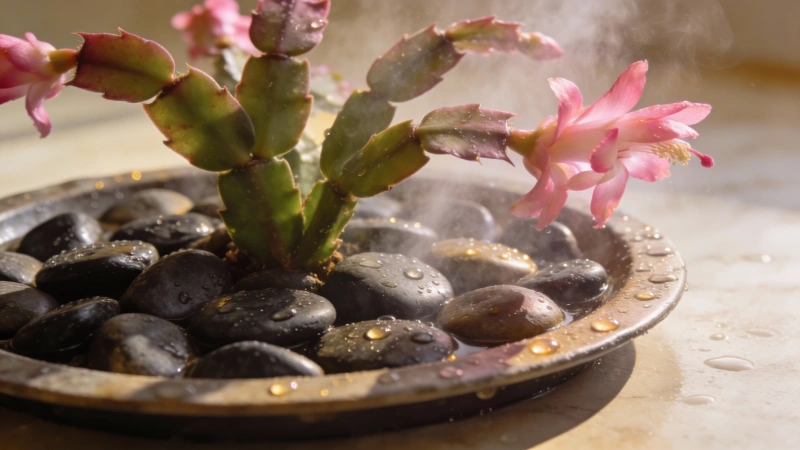
Ideal temperatures:
- Daytime: 60-70°F (15-21°C)
- Nighttime: 55-65°F (13-18°C)
- For triggering blooms: Cooler nights around 50-55°F (10-13°C)
Humidity needs:
These tropical plants prefer 40-60% humidity. Winter heating can dry out the air, so consider:
- Pebble tray with water (pot sits on pebbles, not in water)
- Occasional misting
- Grouping plants together
Avoid:
- Heating vents and radiators
- Cold drafts from windows or doors
- Temperatures below 50°F (risk of cold damage)
How to Make Your Christmas Cactus Bloom
This is the question everyone asks: “Why won’t my Christmas cactus bloom?”
After failing my first year, I finally cracked the code. The secret isn’t complicated—but it does require planning ahead.
The Secret: Dark Treatment
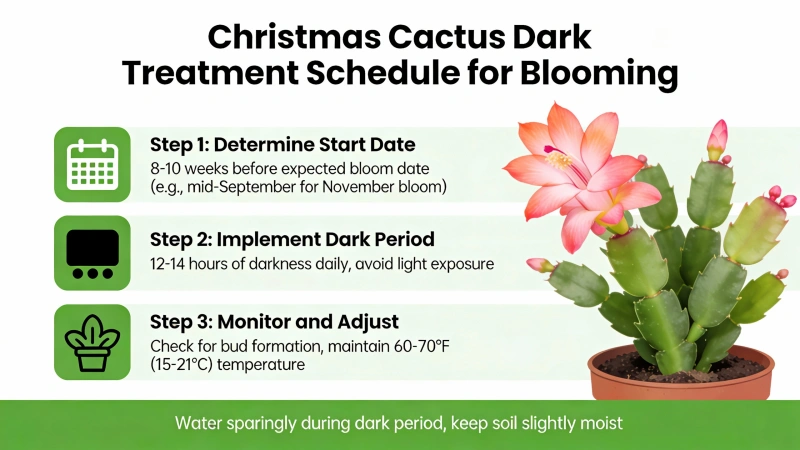
Christmas cactus is a “short-day plant.” It needs long periods of uninterrupted darkness to trigger flower bud formation.
According to Iowa State University Extension, the plant won’t bloom properly if exposed to artificial light at night during fall. Even small amounts of light—from a TV, hallway lamp, or streetlight—can disrupt the process.
Here’s exactly what to do (starting mid-September):
- Provide 12-14 hours of complete darkness each night (roughly 6 PM to 8 AM)
- Continue for 6-8 weeks
- Keep temperatures cool: 50-60°F (10-15°C)
- Reduce watering—let soil dry out more than usual
- Stop fertilizing
Practical methods:
- Move to an unused bedroom or basement
- Cover with a dark cloth or box each evening
- Place in a closet overnight
Once you see flower buds forming, you can return to normal care.
My Christmas cactus it has not bloom in two years and I don’t know why ?
byu/SoftUnderstanding576 inhouseplants
Why Buds Drop (And How to Prevent It)
Few things are more frustrating than watching your Christmas cactus form buds—only to have them fall off before blooming.
Common causes of bud drop:
- Moving the plant (the #1 cause in my experience)
- Overwatering or underwatering
- Sudden temperature changes
- Humidity drops (like when heat kicks on)
- Nearby ripening fruit (releases ethylene gas)
My hard-learned lesson: Once buds form, DO NOT move your plant. I made this mistake my second year—excitedly carried my budding cactus to the living room to show it off. Within a week, half the buds had dropped.
Now I pick the plant’s “display spot” before the dark treatment begins and leave it there through blooming.
My Real Experience: From Plant Killer to 50+ Blooms
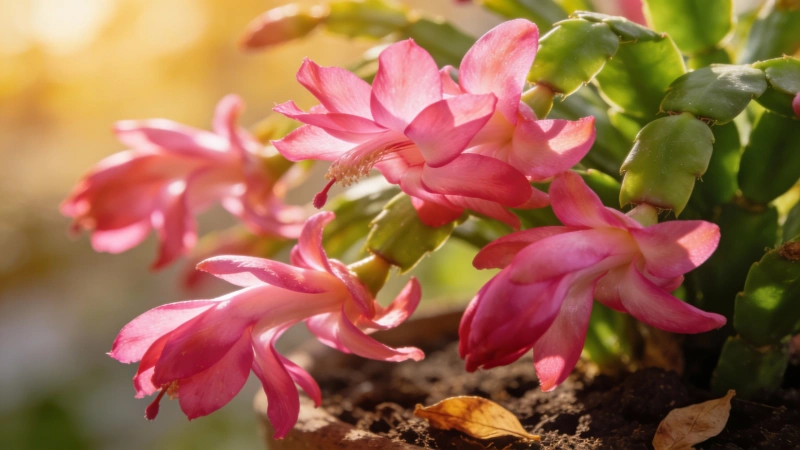
Let me share my complete journey with this plant. Maybe you’ll recognize some of your own struggles.
The Starting Point (December 2022)
A friend gave me a blooming Christmas cactus as a holiday gift. It was gorgeous—covered in pink flowers. I thought, “How hard can this be?”
I treated it like my other succulents: minimal water, lots of direct sunlight on my south-facing windowsill.
What Went Wrong (Year 1)
Within a month, the leaves started turning red. I assumed it was normal “winter coloring.” It wasn’t.
By the following October, the plant looked healthy enough—green and full—but not a single bud appeared. I waited through November, December, January… nothing. Zero flowers.
I was confused. The plant seemed healthy, so why wouldn’t it bloom?
What I Learned and Changed (Year 2)
I started researching and discovered two critical mistakes:
- Too much direct light — causing the red leaves
- No dark period — the plant never got the signal to bloom
In September 2023, I tried the dark treatment. Every evening at 6 PM, I’d cover the plant with a black cloth. Every morning at 8 AM, I’d remove it. I did this for 7 weeks straight.
It worked! By early November, I saw tiny buds forming. I was thrilled.
Then I made another mistake: I moved the plant to the living room to show my family. Within 10 days, about half the buds dropped off. The plant still bloomed—maybe 15 flowers—but it could have been so much more.
Finally Getting It Right (Year 3)
In 2024, I combined everything I’d learned:
- Moved the plant outside for summer (shaded spot under a tree)
- The natural fall temperature drop triggered bud formation
- Brought it inside to its “final spot” before buds were visible
- Used a pebble tray for humidity once heating season started
- Did NOT move it once buds appeared
The result: Over 50 blooms that lasted for 6 weeks. The plant looked spectacular.
I also propagated 10 stem cuttings that fall. Nine of them rooted successfully—a 90% success rate.
Key Takeaways
Looking back, success came down to three things:
- Right light — bright but indirect
- Dark treatment — or natural fall conditions outdoors
- Stability — especially once buds form
The plant doesn’t need perfection. It just needs the basics done consistently.
Seasonal Care Calendar
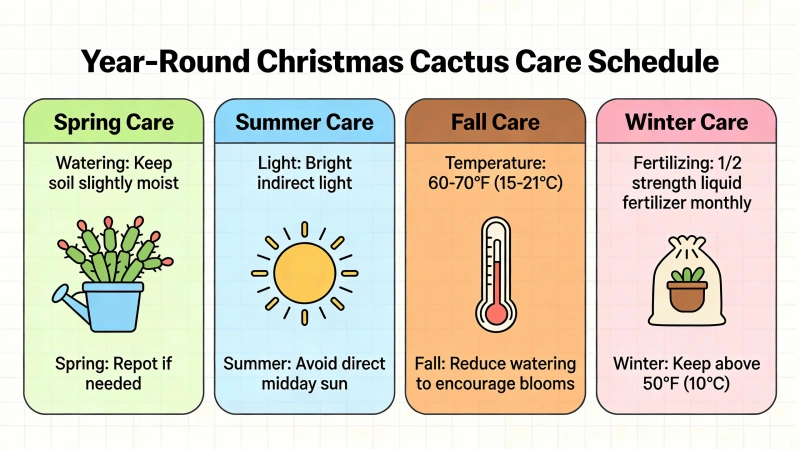
| Season | Months | Key Care Tasks |
|---|---|---|
| 🌸 Spring | March – May | Resume regular watering, start monthly fertilizing, prune for shape, take cuttings to propagate |
| ☀️ Summer | June – August | Move outdoors to shaded spot (optional), water more frequently, continue fertilizing |
| 🍂 Fall | September – November | Begin dark treatment (mid-Sept), reduce watering, stop fertilizing, keep cool (50-60°F) |
| ❄️ Winter | December – February | Enjoy blooms! Don’t move plant, maintain humidity, water sparingly, rest period after flowering |
Summer Outdoor Care Tips
If you have outdoor space, moving your Christmas cactus outside for summer can really boost its health. The humidity and natural light do wonders.
Best practices:
- Choose a shaded spot (under trees or on a covered porch)
- Never place in direct sun—it will scorch
- Bring inside before temperatures drop below 50°F
- Check for pests before bringing back indoors
If you’re spending time in your yard this summer, you might encounter other garden challenges. For example, if you notice tunnels or mounds damaging your lawn, check out my guide on how to get rid of moles before they become a bigger problem.
Common Problems and Solutions
Even with good care, problems can happen. Here’s how to diagnose and fix the most common issues.
Root Rot
This is the biggest killer of Christmas cacti. Catch it early, and you can save your plant.

Symptoms:
- Yellow, wilting leaves
- Soft, mushy stems (especially at the base)
- Foul smell from soil
- Plant pulls out of soil easily
How to save your plant:
- Remove from pot immediately
- Rinse roots under lukewarm water
- Cut away all black or mushy roots with clean scissors
- Let the plant dry for 24 hours
- Repot in fresh, well-draining cactus soil
- Wait 5-7 days before watering
According to Gardening Know How, if the roots are completely black and smell rotten, the plant may not be saveable—but take cuttings from healthy stems to propagate new plants.
Comment
byu/anonymousgoat_ from discussion
inplantclinic
Prevention: Always use pots with drainage holes, never let the pot sit in water, and let soil dry between waterings.
Leaves Turning Red or Purple
Most likely cause: Too much light.
Other possibilities:
- Phosphorus deficiency
- Stress from underwatering
- Temperature stress
Solution: Move to a spot with less direct light. The green color should return within 2-3 weeks.
Limp, Wrinkled Leaves
This could mean either overwatering OR underwatering—you need to check the soil to know which.
If soil is wet: Stop watering, check for root rot, improve drainage.
If soil is bone dry: Water thoroughly and ensure the pot isn’t too rootbound.
Pests
Christmas cacti occasionally attract:
- Mealybugs (white cottony spots)
- Spider mites (tiny dots, fine webbing)
- Scale insects (brown bumps on stems)
Treatment:
- Isolate the plant immediately
- Wipe off visible pests with alcohol-dipped cotton swabs
- Spray with diluted neem oil or insecticidal soap
- Repeat weekly until clear
Speaking of pests, if you deal with unwanted insects elsewhere in your home, you might find my guide on how to get rid of stink bugs helpful—especially during fall when they try to move indoors.
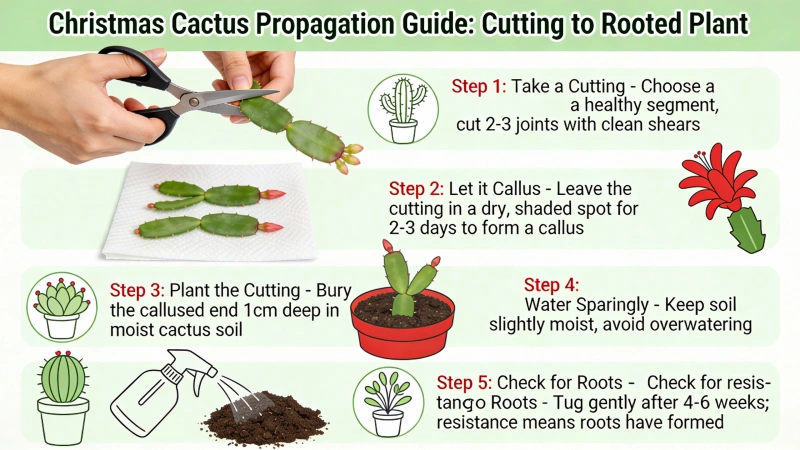
How to Propagate Christmas Cactus
One of the best things about Christmas cactus is how easy it is to propagate. You can turn one plant into many—for free.
Best Time to Propagate
Late winter to early summer (after blooming ends) works best. The plant isn’t focused on flowering, so energy goes into root development.
Step-by-Step Guide
Step 1: Select Your Cuttings
- Choose healthy stems with 2-4 segments
- Twist gently at the joint to separate (don’t cut)
- Take multiple cuttings to increase success rate
Step 2: Let Cuttings Callus
- Place on a paper towel in indirect light
- Wait 1-2 days for the cut end to dry and heal
- This prevents rot when planted
Step 3: Plant the Cuttings
- Use slightly moist cactus/succulent soil
- Insert about 1 inch deep
- Press soil gently to secure
Step 4: Care for New Plants
- Place in bright, indirect light
- Keep soil barely moist (not wet)
- Roots develop in 2-4 weeks
- Gentle tug = resistance = roots!
According to Iowa State University Extension, you should allow the cut ends to callus overnight before planting in perlite or coarse sand.
My Propagation Results
I’ve found stem cutting propagation in soil to be the most reliable method. Out of 10 cuttings I took last spring, 9 successfully rooted—a 90% success rate.
Pro tip: I’ve tried water propagation too, but cuttings seem more prone to rot. Soil propagation gives sturdier roots in my experience.
Video: Christmas Cactus Care and Propagation
Want to see these techniques in action? This helpful video demonstrates Christmas cactus care and propagation step by step:
Frequently Asked Questions
Why won’t my Christmas cactus bloom even after years of care?
The most common reason is lack of a “dark period” in fall. Starting mid-September, your plant needs 12-14 hours of uninterrupted darkness each night for 6-8 weeks. Even small light sources (TV glow, hallway lights) can prevent blooming. Also make sure temperatures are cool—above 70°F can inhibit bud formation.
Can I use regular potting soil for Christmas cactus?
I don’t recommend it. Regular potting soil retains too much moisture and can lead to root rot. Use a cactus/succulent mix, or add 1 part perlite to 3 parts regular soil to improve drainage.
Is Christmas cactus toxic to cats and dogs?
Good news! According to the ASPCA, Christmas cactus is non-toxic to cats and dogs. It’s one of the safer houseplants if you have pets.
How often should I repot my Christmas cactus?
Every 2-3 years is usually sufficient. Christmas cacti actually prefer being slightly rootbound—it can encourage blooming. Only repot when roots are coming out of drainage holes or growth has significantly slowed. Go up just one pot size when you do repot.
Why are my leaves falling off?
Leaf drop usually signals stress from:
- Overwatering or underwatering
- Sudden environmental changes
- Root problems
- Natural renewal (some leaf drop is normal)
Check your watering routine first—it’s the most common culprit.
Can Christmas cactus bloom more than once a year?
Yes! Some plants produce a second, smaller flush of blooms in late winter or early spring. Mine has done this occasionally. Consistent care and good light seem to encourage repeat blooming.
Final Thoughts
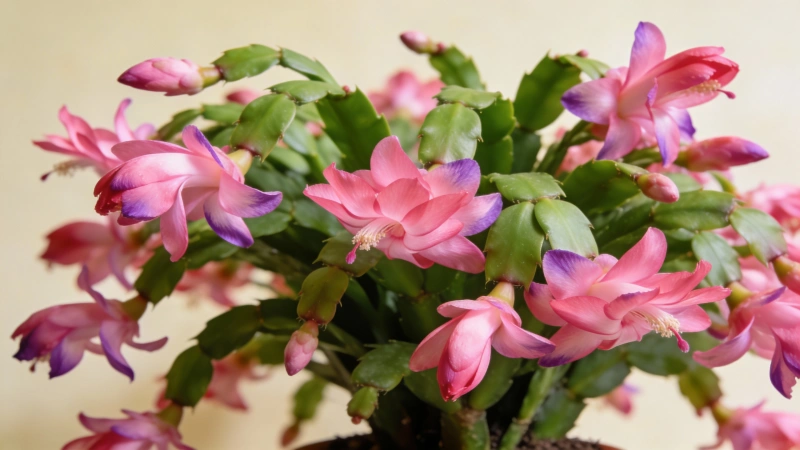
Christmas cactus isn’t difficult to care for—it just needs the right approach. Once I stopped treating mine like a desert plant and started understanding what it actually needs, everything clicked.
Remember the essentials:
- ✅ Bright, indirect light (not direct sun)
- ✅ Water when the top inch of soil is dry
- ✅ Well-draining soil is non-negotiable
- ✅ Dark treatment in fall triggers blooming
- ✅ Stability once buds form—don’t move it!
The most rewarding part? These plants can live for decades—even over 100 years with good care. Imagine passing your Christmas cactus down to your kids or grandkids as a living family heirloom.
Mine is only 3 years old, but I’m already planning to keep it going for as long as I can.
Now it’s your turn. Start with the basics, be patient during the first dark treatment, and don’t give up if things don’t go perfectly the first year. You’ve got this!
Have questions about caring for your Christmas cactus? Drop them in the comments below—I’m happy to help based on my experience!
This article was created by a professional team. AI tools were used during the research and writing process to enhance efficiency and quality. All information has undergone manual verification and editing to ensure accuracy and practicality. We are committed to providing readers with objective and valuable content.
Publisher::meiruth558@gmail.com,Please indicate the source when reposting:https://gardeningtoolsgarden.com/how-to-care-for-a-christmas-cactus/
