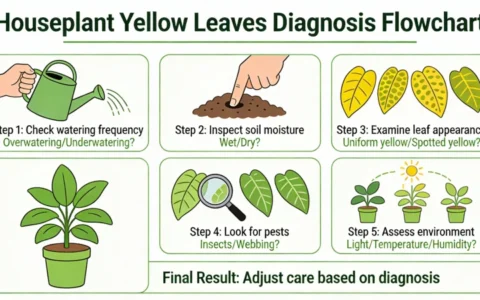
Your houseplant is wilting, its leaves are turning yellow, and the soil still feels wet. Before reaching for the watering can, check the roots. Root rot can damage a plant’s ability to take up water, making an overwatered plant look strangely thirsty.
This guide explains how to treat root rot in houseplants with a practical, seven-step rescue process. You’ll learn what healthy and rotten roots actually look like, when repotting helps, why hydrogen peroxide is not a universal cure, and how to care for a recovering plant without causing another moisture problem.
Quick answer: How do you fix root rot?Take a struggling plant out of its pot and inspect the root system. Remove any clearly soft, collapsing roots with clean tools, keep firm living roots, and repot in fresh, appropriately draining potting mix in a clean container with drainage holes. Keep the roots moist enough to survive but not constantly saturated, and monitor the plant for fresh growth and further decline. If the crown or most of the roots are destroyed, saving healthy stem cuttings may be more realistic than rescuing the parent plant.
Do not automatically soak roots in hydrogen peroxide, leave them exposed for 24 hours, or withhold all water for two weeks. Those are not standard rules for every houseplant.
Root Rot Symptoms: What Does Root Rot Look Like?
Root rot is a general name for diseases and conditions in which roots deteriorate. Root-rotting organisms include fungi such as Fusarium and Rhizoctonia and fungus-like water molds such as Pythium and Phytophthora. Poor drainage and prolonged saturation make many problems worse because roots need oxygen as well as water.
As the University of Wisconsin’s plant disease specialists explain, wilting despite wet soil, stunted growth, discolored foliage, and soft brown roots are common warning signs.
Signs you may notice above the soil
- Yellow leaves and leaf drop: especially when several leaves change at once, rather than a single older leaf aging normally.
- Drooping even though the potting mix is damp: damaged roots may no longer supply enough water to the leaves.
- Slow growth: new leaves may remain small or stop developing.
- A sour or unpleasant smell: can occur with decaying roots or persistently waterlogged media, although smell alone is not a diagnosis.
- A soft or dark stem base: may suggest a more serious root-and-crown problem.
What healthy and rotten roots look and feel like
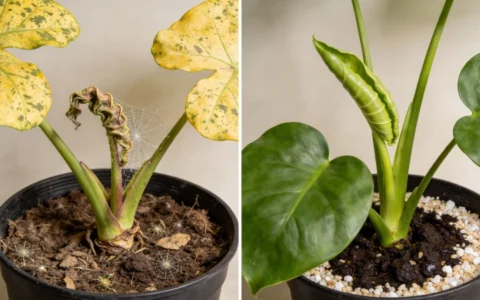
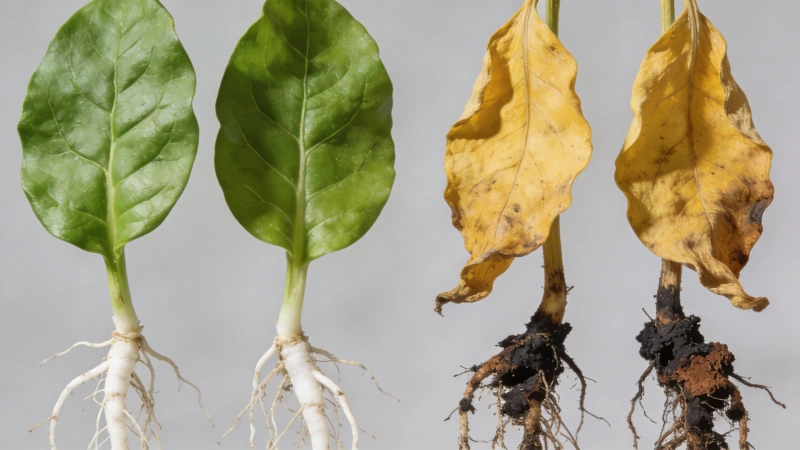
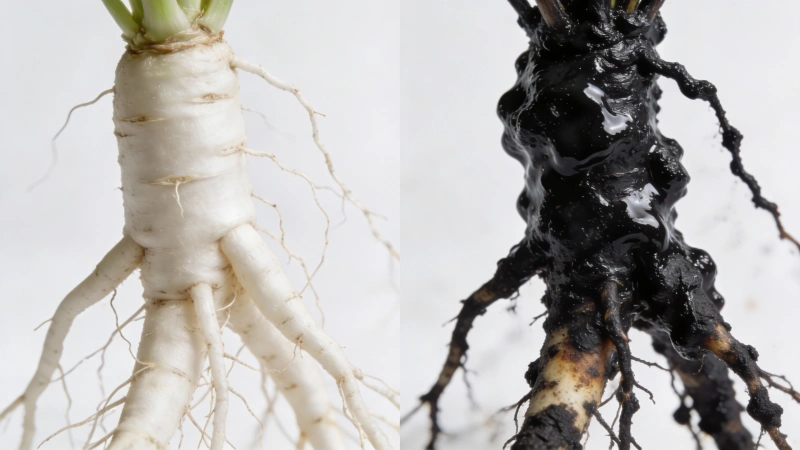
Healthy roots are firm and intact. They may be white, cream, tan, or naturally darker depending on plant species, root age and growing medium. Rotting roots are often soft, slimy or collapsing. With some diseases, their outer covering slips away easily and leaves a thin inner thread.
Do not cut a root just because it is brown. A brown but firm root can be alive. Texture, structural integrity, surrounding symptoms and the plant’s normal root appearance are more useful than color alone.
Not sure if the problem is rot? If you’re seeing yellow leaves but the roots seem firm, use our guide to common causes of yellow houseplant leaves before making major changes to the roots.
Root Rot vs. Overwatering vs. Underwatering: Diagnosis Chart
A wet pot is a warning, not a diagnosis. Soil can be wet simply because the plant was watered recently. Check several signs together before unpotting or pruning healthy roots.
| What you notice | Possible explanation | Best next check |
|---|---|---|
| Wilting and wet mix, roots firm | Overwatering stress, low oxygen, temperature stress or another issue | Check drainage, recent watering and the health of root tips |
| Wilting and wet mix, roots soft and collapsing | Root rot is likely | Remove decayed tissue and correct growing conditions |
| Wilting and bone-dry mix, roots firm | Underwatering or poor water absorption | Rehydrate according to plant needs and monitor response |
| Yellow leaves, firm roots, no persistent wetness | Natural aging, light problems, fertilizer issues or pests | Inspect foliage, light and watering history |
| Small flies around the soil | Fungus gnats may be present in moist media | Check soil and roots separately; gnats alone do not prove root rot |
| Soft, blackening crown or stem base | Possible advanced crown or stem rot | Isolate; assess remaining healthy stem tissue and propagation options |
Peace lilies are a good example of why leaf symptoms can mislead: their leaves can droop from insufficient water, excessive moisture or other stresses. See why a peace lily droops for plant-specific checks. If small flies hover over damp potting mix, our fungus gnat guide explains that separate problem.
What Causes Root Rot in Houseplants?
1. Saturated or poorly aerated potting mix
Roots use oxygen to stay alive. Mix that remains saturated for too long has fewer air spaces. Root stress can combine with root-infecting pathogens, producing decay. This is why both how often you water and how quickly the medium drains and re-aerates matter.
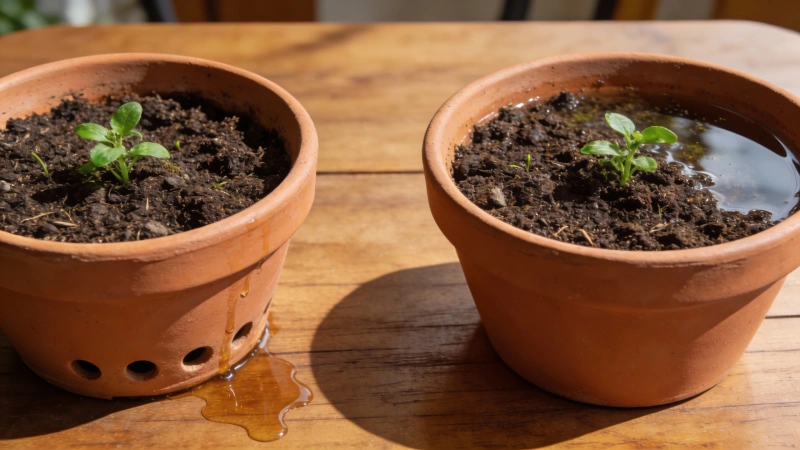
2. A container that traps water
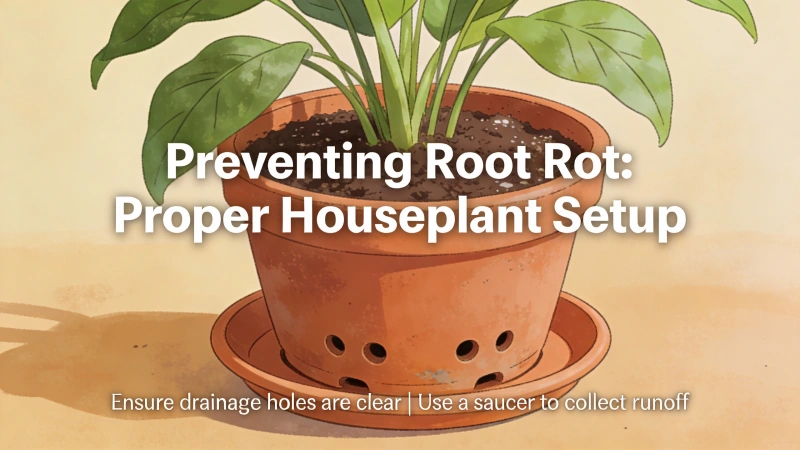
Pots without drainage holes, water left standing in a cachepot or saucer, and oversized containers full of slow-drying mix can all keep roots too wet. Decorative outer pots are fine if a removable inner nursery pot drains properly and the excess water is emptied.
3. Contaminated potting medium, water or tools
Some root pathogens can persist in used potting mix, plant debris or contaminated equipment. A clean pot, fresh commercial mix and sanitized working tools lower the risk of reinfection. Keep affected plants separate while you examine them. You generally do not need to identify the exact pathogen before correcting saturated conditions, but a plant diagnostic laboratory may help with persistent or valuable specimens.
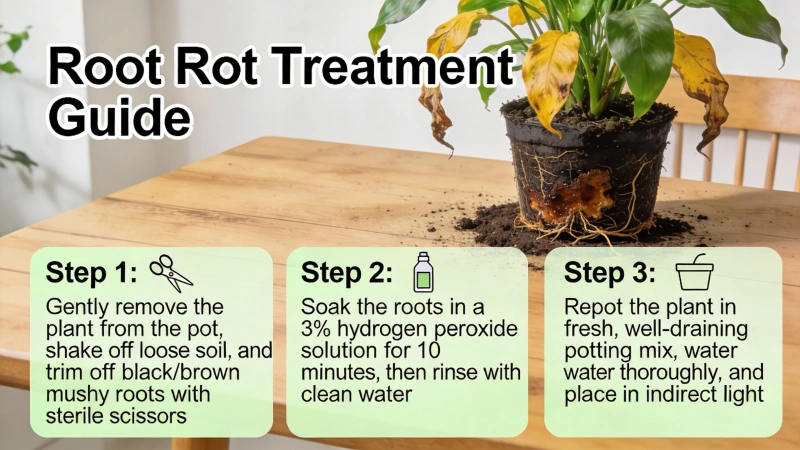
Root Rot Treatment: 7 Steps to Save a Plant
Use the steps below for a typical potted foliage houseplant when inspection reveals genuinely decaying roots. A succulent, orchid or other specialty plant may need a different potting medium or watering strategy.
Step 1: Take the plant out and examine the root ball
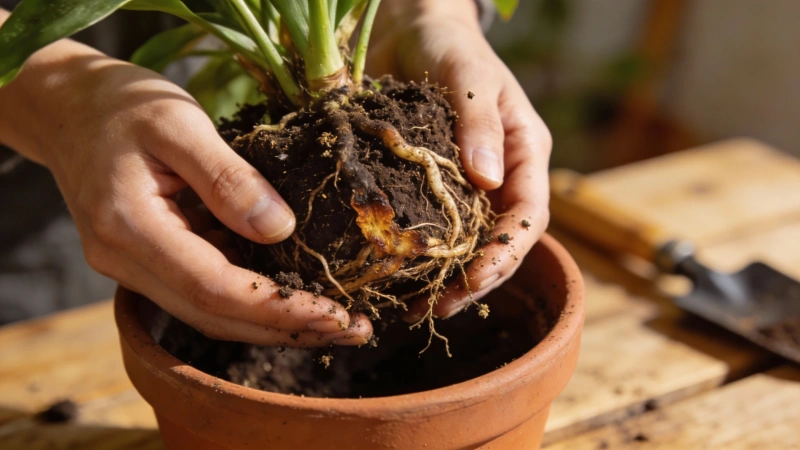
Gently slide the plant from its pot. Support the base of the stems, squeeze a flexible nursery pot if needed, and avoid pulling on the foliage. Lay the root ball on a clean tray or newspaper.
Look for a pattern: Does most of the mix remain soggy? Are healthy roots concentrated on one side? Is the stem base still firm? These details help you decide whether you have localized damage or a plant in serious decline.
Step 2: Remove enough old mix to see the damaged roots
Loosen and brush away the wet mix around affected roots. A gentle rinse can help when the medium clings tightly to decayed roots, but forcefully washing every root is not mandatory and may tear delicate healthy feeder roots. Handle the root system only as much as you need for inspection and cleaning.
Step 3: Trim roots that are clearly dead or decayed
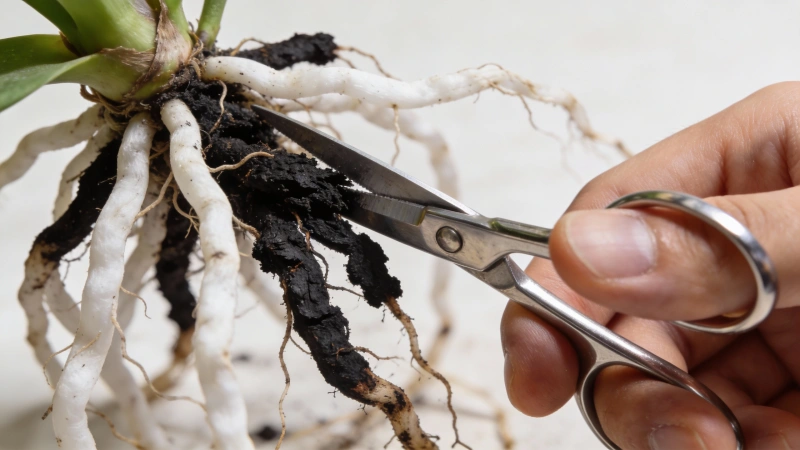
Using sharp, cleaned scissors or pruners, remove roots that are soft, mushy, slimy or coming apart. Preserve roots that are firm, even if they are naturally tan or brown. Work gently rather than cutting away healthy sections to hit an arbitrary distance or percentage.
Clean and disinfect tools after contact with diseased material and before using them on another plant. For extensive decay, clean blades while you work to avoid spreading contaminated debris.
Step 4: Decide whether the plant can be repotted or needs backup cuttings
If a useful portion of the root system and the stem base remain healthy, repotting is reasonable. If the crown is soft, the stem is blackening, or very few functional roots remain, recovery is less predictable. For plants that can be propagated from healthy stems, such as pothos, taking clean cuttings offers another way to preserve the plant.
For a broader decision process, follow our guide to saving a dying houseplant. If you’re rescuing a pothos specifically, see pothos care and propagation for longer-term growing conditions.
Be realistic about severe cases: there is no trustworthy universal “80% recovery rate” based on a percentage of roots lost. Species, pathogens, crown damage and growing conditions all affect the outcome. When infection is extensive, disposal may be the safest choice for protecting neighboring plants.
Step 5: Use fresh potting mix and a clean, appropriately sized pot
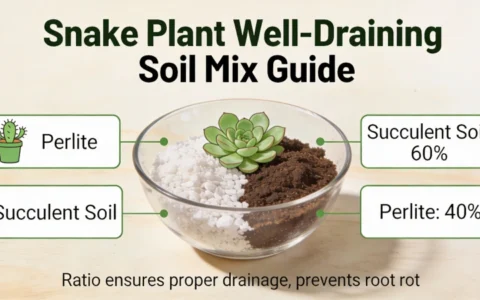
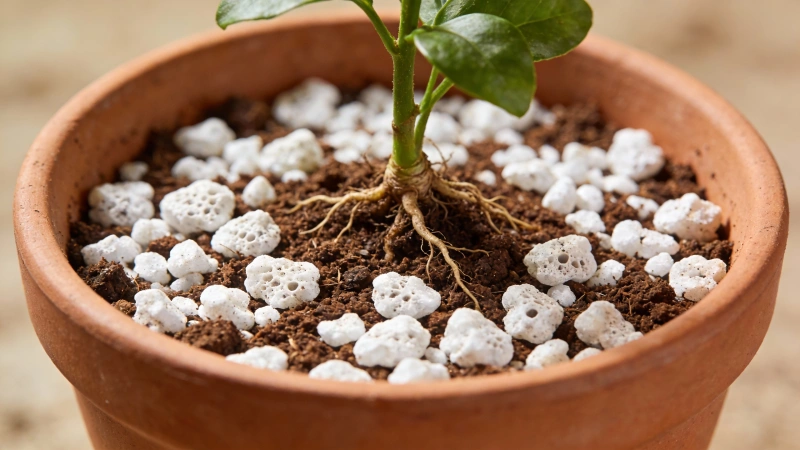
Discard the old, potentially contaminated potting mix. Choose a commercial potting medium suited to the plant that both holds enough moisture for its needs and allows air and excess water to move through. Most foliage plants do not need the same mix as a cactus or succulent.
Select a container with an open drainage hole. If many roots were lost, a pot close to the size of the remaining healthy root system is often better than leaving the plant in a large, water-holding container. Wash and disinfect reusable pots according to reliable container-cleaning guidance; discard containers you cannot clean adequately.
Do not place a gravel “drainage layer” at the bottom. It does not improve drainage through the potting mix and can reduce the useful root-growing volume. The University of Wisconsin Extension specifically advises against this practice.
Step 6: Repot gently and water according to actual moisture needs
Set the plant at its previous planting depth and fill around remaining roots without packing the mix hard. Leave space at the top for watering.
If the fresh potting mix is dry, water gently enough to settle the medium and moisten the remaining roots, then let it drain fully. If the new mix is already evenly moist, additional watering may not be necessary immediately. The correct next watering time depends on the plant, the amount of living root tissue, the potting medium and indoor conditions.
Important: “Do not water for two weeks after repotting” is not a safe universal instruction. A plant with a small, damaged root system still needs water to survive, but it cannot tolerate continually waterlogged conditions. Check the mix instead of obeying a fixed calendar.
Step 7: Give the plant gentle recovery conditions and monitor it
Place the plant in conditions suitable for its species, usually avoiding sudden exposure to intense sun, cold drafts or extreme temperatures. Hold off on heavy fertilizing while roots recover. Remove fully dead leaves as needed, but avoid drastic extra pruning unless the foliage itself is diseased or badly damaged.
Over the following weeks, look for stabilizing foliage, no further collapse at the stem base, and eventually healthy new growth. Previously yellowed leaves may never turn green again; fresh growth is a better indicator of progress.
Does Hydrogen Peroxide Cure Root Rot?
Search results and social media often recommend soaking roots in 3% hydrogen peroxide mixed with water, followed by a 24-hour drying period. These recipes are popular, but they are not a universally validated cure for houseplant root rot. Hydrogen peroxide can injure living roots depending on concentration, exposure and plant sensitivity; it also does not solve the basic problem of saturated mix or an unsuitable container.
For typical home care, the more defensible first steps are checking the roots, removing clearly decayed tissue, improving drainage and adjusting irrigation. University of Maryland Extension recommends removing infected portions and replanting healthy sections; University of Wisconsin emphasizes moisture management rather than home fungicide routines.
What about cinnamon, bleach or fungicide on the roots? Household cinnamon and disinfectants should not be presented as proven plant root treatments. Disinfectants are for equipment and suitable surfaces, not for soaking living roots. Fungicides are pathogen- and product-specific and should be used only when labeled for the disease, plant and setting; they are not a substitute for proper drainage.
After Root Rot Treatment: A 4-Week Recovery Checklist
Use the following as a monitoring plan, not a promised recovery timeline. Some plants respond within weeks; others need much longer or do not recover.
| When to check | What to inspect | What to do |
|---|---|---|
| Day 0 | Root firmness, stem base, pot size and mix moisture | Record what you removed and photograph the plant |
| Days 2–4 | More wilting? Water pooling? Crown remaining firm? | Check the mix before deciding whether to water |
| Day 7 | New yellowing or expanding soft tissue? | Reassess environment; avoid unnecessary repeat unpotting |
| Day 14 | Stable leaves, firmer stems, new growth beginning? | Continue species-appropriate care, not a fixed spray or watering schedule |
| Day 28 | Fresh roots or foliage, continued decline, or no change? | Adjust the care plan; investigate further if the plant is worsening |
Root rot recovery log: copy this checklist into your notes
- Plant species and inspection date
- Potting mix wet, slightly moist, or dry?
- Roots firm, soft, or mixed?
- Stem base firm or soft?
- Container drainage working?
- Photo of the same leaves taken for comparison?
- Date of watering and response over the next several days
How to Prevent Root Rot From Coming Back
Water the plant, not the calendar
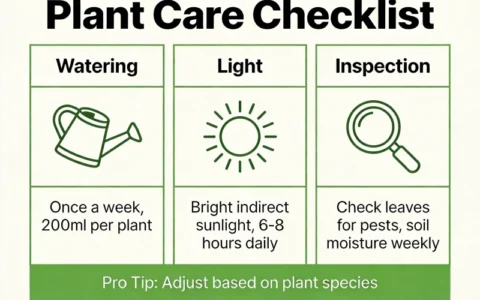
Check the potting mix with your finger, a wooden skewer or the weight of the pot. The appropriate degree of dryness before the next watering differs between a tropical foliage plant and a drought-tolerant succulent. Water thoroughly when needed, allow excess to drain, and empty the saucer.
For example, drought-tolerant species often need longer drying periods than moisture-loving plants. Our snake plant yellow-leaf troubleshooting guide and succulent care guide explain why consistently wet roots are risky for those plants.
Match the potting mix to the root system
Aeration, water retention and container size matter together. Use a potting mix intended for your type of plant; refresh compacted media when appropriate. Do not assume a “fast-draining” product is ideal if it dries too quickly for the species or if the root system is already severely weakened.
Prevent standing water and cross-contamination
Empty decorative outer pots and saucers, avoid sharing runoff from diseased plants, and keep tools and work surfaces clean. After severe root disease, dispose of used media and sanitize suitable containers before reusing them.
Know when the symptoms are a different problem
Ficus, peace lilies and other foliage plants may yellow for several reasons. If you are working with a ficus, refer to rubber plant care and common problems. If a plant has fine webbing and pale stippled leaves, insects or mites may be involved rather than root disease; compare the signs in our spider mite identification guide.
Root Rot Treatment FAQs
Can a plant recover from root rot?
Sometimes. Recovery is more likely when the stem base and enough roots remain firm and functional. A plant with widespread crown damage or nearly complete root loss is much harder to save. Consider taking healthy cuttings if the species can be propagated that way.
How do you fix root rot without repotting?
If the roots are firm and the plant is only stressed by overly wet soil, correcting watering and drainage may be enough. But when the roots are genuinely soft and decaying, inspecting them and replacing contaminated or unsuitable media is often necessary. “Without repotting” is not a reliable shortcut for advanced disease.
Should I remove all the old potting soil?
Remove and discard media that may carry root pathogens when repotting a diseased plant. However, do not aggressively tear away every particle attached to delicate living roots if doing so would cause extra injury. Use a gentle approach suited to the plant.
How long does root rot recovery take?
There is no guaranteed number of days. Some plants show stabilizing leaves or new growth within weeks; severe cases can take longer or fail to recover. Monitor live root and stem condition, not a promise that every plant recovers in 14 days.
Should you let roots dry out for 24 hours after trimming?
No universal 24-hour rule applies to all plants. Bare-root tropical houseplants can lose water while exposed, whereas some succulent cuttings have different drying needs. Repot promptly and use species-appropriate handling rather than imposing one method on every plant.
Can I use hydrogen peroxide to treat root rot?
Do not assume a household hydrogen peroxide soak is necessary or harmless. It is not a substitute for removing dead roots, correcting drainage or identifying a persistent pathogen problem. Seek plant-specific, evidence-based advice before using chemical treatments on living roots.
Does a brown root always mean root rot?
No. Healthy roots can naturally be tan or brown. A root that is firm and structurally intact is different from one that is soft, slimy or falling apart. Check texture and the overall plant condition.
Are fungus gnats a sign of root rot?
Fungus gnats can indicate consistently moist potting media, but they do not confirm root rot. Inspect the root system independently and address the flies as a separate issue if needed.
Final Takeaway: Save the Roots You Still Have
Root rot treatment is not about adding a miracle ingredient. It’s about recognizing genuine root decay, preserving living tissue, correcting the conditions that caused the problem and monitoring recovery. Respond early, avoid additional damage from unnecessary chemical soaks or drastic pruning, and choose a potting mix and watering approach that fit the species.
For more related troubleshooting, explore the site’s root rot and houseplant recovery resource hub.
Research and Further Reading
University extension resources below provide the foundation for the disease identification and management advice in this article. A laboratory diagnosis may be needed to distinguish specific pathogens.
- University of Wisconsin–Madison: Root Rots on Houseplants — root symptoms, pathogen risks and prevention.
- University of Maryland Extension: Root Rots of Indoor Plants — disease symptoms, crown rot and management.
- University of Maryland Extension: Diagnose Indoor Plant Problems — distinguishing root rot from other causes of wilting and yellowing.
- University of Maryland Extension: Watering Indoor Plants — drainage, moisture testing and watering practice.
- Iowa State University Extension: Root Rots of Houseplants — moisture-related root rot diagnosis and prevention.
Editorial Note: This article was written and edited by Spring Mei. AI tools may be used to assist with research and organizing information. The final content is reviewed before publication, and important factual claims are checked against reliable sources where appropriate. Personal experience is distinguished from general guidance, and methods are described as personally tested only when they have actually been tested.
Please indicate the source when reposting:https://gardeningtoolsgarden.com/root-rot-treatment/
Author: Spring Mei