Found a spider on your bedroom wall, webs in the basement, or several spiders near a window? You usually don’t need to spray the whole house. What works best is to remove the spiders and webs you can see, cut down on the insects they feed on, and close the gaps that let new spiders in.
This guide covers how to get rid of spiders in your house safely, what keeps them from coming back, how to handle the job around children and pets, and which popular natural repellents have weak evidence behind them. A room-by-room inspection plan and a simple tracking log will help you tell whether your efforts are working.
Quick answer: How do you get rid of spiders in your house?
For an ordinary household spider, trap it under a clear container, slide a stiff card underneath, and release it outdoors, or vacuum it up. Vacuum webs and egg sacs too, especially in quiet corners. Then fit door sweeps, repair screens, seal gaps, move clutter away from walls, and cut down on the insects gathering around outdoor lights. If you suspect a medically significant spider, don’t handle it; get expert help. University of California IPM emphasizes cleaning and exclusion over routine indoor spraying.
First, Identify the Spider: Not Every Spider Needs Treatment
Most spiders found in homes prey on flies and other insects, and most aren’t medically dangerous to people. One spider on a wall doesn’t mean you have an infestation. Identification matters most when a spider resembles a widow or recluse, and you should never pick up a potentially dangerous spider to get a better look at it.
| Spider type | Clues | What to do |
|---|---|---|
| Common house spider | Small, brownish; irregular cobwebs in corners and on windows | Capture if convenient, or vacuum webs and monitor. |
| Cellar spider | Very long, thin legs; loose webs in basements and ceiling corners | Vacuum and reduce undisturbed clutter. |
| Wolf spider | Fast-moving hunter commonly seen on floors; does not build a typical prey-catching web | Use a container and card if you can identify it with confidence; check ground-level entry points. |
| Widow spider | Some adult females have a glossy, rounded abdomen and red underside markings; appearance varies by species and age | Do not handle; keep people and pets away and consult a qualified pest professional. |
| Brown recluse | Identification requires more than brown color or a supposed violin marking; geographic range matters | Do not touch. Seek identification from a local extension service or pest professional. |
Brown recluses are frequently misidentified outside their established U.S. range. Neither a suspected bite nor a spider’s brown color is enough to establish the species. Washington State University’s Plant Clinic discusses the lack of established brown recluse populations in the western United States. Your local extension office can tell you what applies in your region.
Spiders vs. Spider Mites on Houseplants
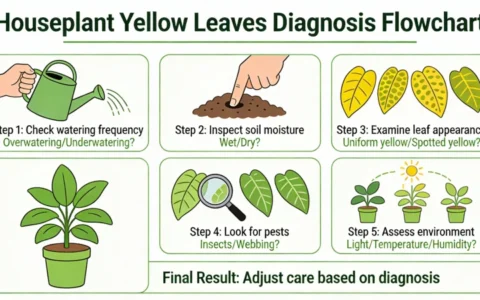
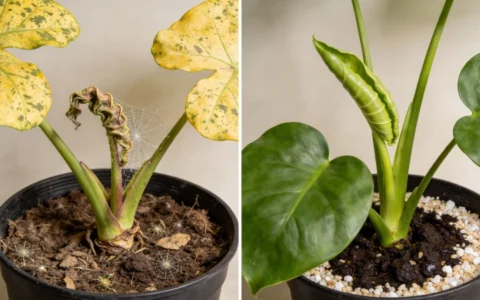
Fine webbing on a houseplant doesn’t always come from a house spider. Spider mites are tiny, plant-feeding arachnids that can cause pale stippling, yellowing, and other leaf damage. An ordinary web-building spider hunts insects and doesn’t feed on the plant. If you see leaf damage along with microscopic mites, follow our guide to identifying and removing spider mites on plants. The household spider methods below won’t treat a mite problem.
How to Get Rid of Spiders in Your House: 7 Safe Steps
Step 1. Decide Whether the Spider Can Be Removed Safely
For a familiar, low-risk house spider in an easy-to-reach spot, capture and release is a practical option. Set a clear cup or container over the spider, slide a stiff card underneath, hold the card securely, and carry the spider outdoors, away from doors and windows. Don’t use bare hands. If the spider is hard to reach, you can’t identify it, or you suspect a widow or recluse, keep your distance rather than trying to handle it.
Does releasing it 20 feet from the house keep it from coming back? No distance reliably guarantees that a spider won’t return. Sealing entry points after removal matters more.
Step 2. Vacuum Visible Spiders, Webs and Egg Sacs
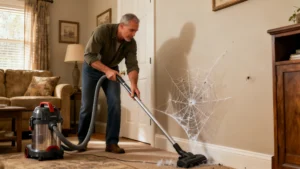
Use the hose attachment on ceiling corners, window edges, the spaces behind furniture and under shelving, around storage containers, and along baseboards. Remove any egg sacs along with the surrounding web. Empty a bagless vacuum into a sealed bag outdoors, or seal up and discard a disposable vacuum bag. Follow the manufacturer’s guidance for your vacuum, and don’t handle any captured spider.
University of Kentucky Extension recommends these low-chemical controls. An old, dusty web may be inactive, but clearing it still makes inspection easier.
Step 3. Clean the Hidden Places Spiders Use
Spiders tend to settle where nothing is disturbed for long stretches: closets, storerooms, unused corners, garages, and the backs of furniture. Pull stored items away from walls, vacuum behind and beneath them, and where practical, replace open cardboard boxes with containers that close securely.
Focus on access and visibility rather than spraying every surface. Wear gloves when moving boxes, shoes, firewood, and other items stored in garages or sheds, and shake out any gloves and shoes that have sat undisturbed.
Step 4. Reduce Indoor Insects That Attract Spiders
Spiders stay where there’s food. Check for small flies, gnats, or other crawling insects too. Clean up food residue, fix leaks, remove standing water, take out the trash as needed, and deal with insects at the source rather than repeatedly killing the spiders that feed on them.
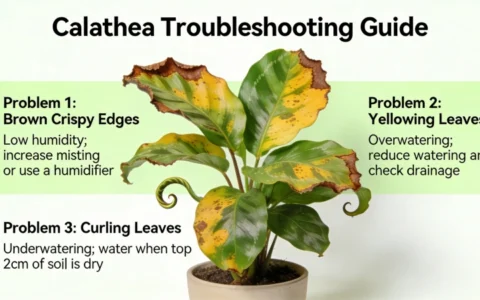
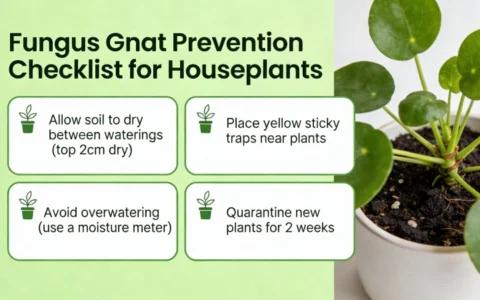
Tiny flies around indoor potting soil, for example, may be fungus gnats breeding in houseplant soil. In that case, control the gnats and the excess moisture that supports them, since the spiders aren’t the only issue. If larger, shield-shaped insects gather at windows, our stink bug identification and removal guide covers that separate problem.
Step 5. Seal the Routes Spiders Use to Get Inside
Exclusion is one of the strongest long-term measures. Check for gaps under exterior doors, damaged window screens, worn weatherstripping, foundation cracks, and openings around utility penetrations. Install a door sweep where you can see daylight underneath, repair torn screens, and use a suitable exterior caulk or sealant on small gaps.
Don’t block required ventilation, combustion-air openings, or drainage paths. Use appropriate screening where permitted. Sealing pays off twice: it makes entry harder for spiders and cuts down on the insects they pursue. UC IPM specifically recommends structural exclusion.
Step 6. Change the Outdoor Conditions Around Doors and Windows
Clear leaf piles, debris, and stored materials from near the foundation. Move firewood away from the house, and trim back vegetation that touches siding or covers windows. Brush webs off porches and door frames as needed. Outdoor lights can attract flying insects, which in turn attract spiders, so aim fixtures away from entrances when feasible, limit unnecessary overnight lighting, and consider warm-colored bulbs or motion activation.
Not every spider outdoors needs to go; many are beneficial predators. The aim is to limit how many move into living areas and to make entrances less appealing.
Step 7. Monitor for New Activity Before Escalating Treatment
For the next one to two weeks, recheck the same spots every few days. Note new webs, indoor sightings, and whether insects are still around. If a spot keeps producing new activity, look at the nearest gaps and any concealed storage. If a suspected medically significant species keeps turning up, call a qualified professional rather than experimenting with household mixtures.
When a pest problem keeps recurring, targeted monitoring tells you more than a one-time deep clean. The activity log later in this guide gives you a way to record changes without guessing.
Which Spider Control Methods Actually Work? A Practical Comparison
These tactics do different jobs. Some remove individual spiders; others reduce the conditions that let spiders return.
| Method | Best use | Key limitation | Priority |
|---|---|---|---|
| Vacuum and web removal | Immediate cleanup | Does not block newcomers | High |
| Sealing and screens | Long-term exclusion | Cannot remove spiders already indoors | High |
| Clutter and prey reduction | Fewer hiding and feeding opportunities | Takes consistent maintenance | High |
| Enclosed sticky monitors | Locating ground-travel activity | Must not be accessible to pets, children or wildlife | Conditional |
| Labeled spider-control pesticides | Specific persistent problems | Limited durability without exclusion; exposure and label restrictions | Last resort / professional |
| Essential oil sprays | Possible short-term deterrence in limited settings | Species-specific evidence and pet-exposure risks | Not a primary control |
| Ultrasonic plug-ins | Marketed as a repellent | Insufficient reliable evidence of household spider control | Skip |
For ordinary household situations, start with the first three methods. UC IPM notes that insecticides usually don’t provide lasting spider control unless the underlying shelter and entry conditions are addressed too.
Natural Spider Repellents: What Works, What Is Unproven, and What Is Risky?
Does Peppermint Oil Repel Spiders?
Some experimental evidence suggests that peppermint or mint oil deters certain spider species under controlled conditions. That isn’t proof that spraying peppermint oil around a home will eliminate spiders. A study in the Journal of Economic Entomology found deterrent responses in some of the species tested, though responses differed from species to species. Lemon oil did not repel the species in that study (study abstract).
Pet-safety warning: a DIY essential-oil spray isn’t safe just because it’s called natural. Concentrated oils can harm cats and dogs through direct contact or ingestion, and some species are more sensitive than others. The ASPCA Animal Poison Control Center recommends precautions and keeping oils away from pets. If you have cats, dogs, birds, or small animals, rely on cleaning and exclusion rather than spreading essential oils around floors and furniture.
Will Vinegar, Citrus, Chestnuts or Cedar Keep Spiders Away?
Vinegar can be used for ordinary surface cleaning where appropriate, but it hasn’t been established as a reliable house-wide spider repellent, and acidic cleaners can damage some surfaces. Chestnut fruits repelled certain spider species in laboratory choice tests, but placing chestnuts in rooms hasn’t been shown to be a dependable solution for a household infestation. Claims about citrus or cedar likewise shouldn’t replace basic pest-proofing.
What About Ultrasonic Spider Repellers?
There isn’t enough reliable evidence that typical household ultrasonic pest gadgets keep spiders out. Rather than buying a device and hoping the problem stops, repair gaps, remove webs, and look for the insects the spiders are feeding on. Physical prevention is better supported by evidence and usually a better value.
What Is the Safest Natural Way to Keep Spiders Out?
Mechanical prevention: screened windows, intact door seals, routine vacuuming, covered storage, and less clutter outdoors. These steps don’t depend on a repellent scent and avoid unnecessary chemical exposure, which matters most in homes with crawling children and curious pets.
Where Are You Finding Spiders? Room-by-Room Diagnosis
Spiders in the Bedroom
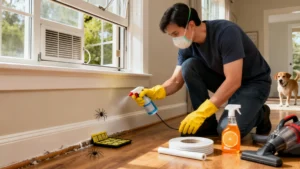
Check around windows, bed frames, curtains, closets, and gaps beside baseboards. Vacuum behind the headboard and under furniture that rarely gets moved. Keep bedding away from cluttered floors, and check the window screens. Seeing one spider near the bed doesn’t mean it caused an unidentified skin mark; many conditions can resemble insect or spider bites.
Spiders in the Basement
Basements can provide dark storage areas and access to insects. Remove clutter, vacuum corners, repair screens and openings, and look into leaks or unwanted insect activity. If condensation or persistent moisture is present, deal with the source. Keep storage bins raised or pulled away from walls so you can inspect them.
Spiders in the Bathroom
Look around vent openings, windows, plumbing penetrations, and rarely cleaned corners. Improve ventilation if moisture is persistent, fix leaks, and clean away webs. Spiders in a bathroom don’t automatically point to a plumbing problem, but a damp environment may support other insects they hunt.
Spiders in the Garage or Shed
Take extra care where firewood, stacked boxes, outdoor furniture, or stored gardening equipment create hiding spaces. Wear gloves and closed-toe shoes when moving items, and check the door bottom and wall openings. If you suspect a widow or recluse, don’t reach into concealed spaces; ask a pest professional for identification and advice.
Spiders Around Windows and Exterior Lights
Look for gnats, moths, and other insects drawn to nearby lighting. Clean webs from frames, repair screens, and cut back on unnecessary lights close to entrances. Where practical, move or redirect fixtures rather than counting on a scent spray to keep spiders away from a good hunting spot.
7-Day Spider Prevention Plan and 14-Day Monitoring Log
You don’t need a complicated routine. This seven-day checklist works through the most common indoor sources in a manageable order. The days are just a way to organize the work; they aren’t a promise that every spider problem will clear up within a week.
| Day | Action | What to check |
|---|---|---|
| 1 | Photograph and note sighting locations | Which rooms? Live spiders, new webs or both? |
| 2 | Vacuum webs, visible spiders and egg sacs | Behind furniture, ceiling edges and storage |
| 3 | Declutter closets, basement and garage | Undisturbed boxes, shoes, equipment |
| 4 | Inspect door sweeps and window screens | Daylight under doors, torn mesh |
| 5 | Seal suitable gaps | Utility openings, frames, baseboards |
| 6 | Reduce outdoor shelter and insect attraction | Firewood, vegetation, door lighting |
| 7 | Reinspect and plan follow-up | Fresh webs or sightings in the same spots? |
Printable Spider Activity Log
Follow the same inspection route at about the same time for each check, and record new sightings rather than counting old, dusty webs again.
| Check date | Room / location | New spiders / webs | Insect prey noticed? | Action taken |
|---|---|---|---|---|
| Day 1 | ||||
| Day 4 | ||||
| Day 7 | ||||
| Day 14 |
How to read the log: fewer fresh webs or sightings in spots that were active before can point to progress. Continued sightings near the same door, window, or storage area mean it’s worth reinspecting that route. No particular time frame or percentage reduction proves that a home is permanently spider-free.
Spider Control with Pets and Children: Safety and When to Get Help
Low-Exposure Steps for a Family Home
- Use a cup-and-card method for identifiable, low-risk spiders where practical, or vacuum without direct contact.
- Keep children and pets away from areas being cleaned, inspected, or treated.
- Don’t place open glue traps where paws, small hands, or wildlife can reach them.
- Avoid foggers and routine broad indoor spraying as a first response; use products only when necessary and strictly according to their labels.
- Don’t apply essential oils to pets, bedding, toys, or surfaces pets may lick. Avoid essential-oil-based spider sprays in areas pets can reach.
- If you’re unsure whether a spider is medically important, don’t try to capture it at close range.
What Should You Do After a Suspected Spider Bite?
Many skin lesions blamed on spiders have other causes, so don’t try to identify a spider species from a wound alone. For a minor suspected bite, wash the area with soap and water, apply a cool compress, and monitor symptoms. Seek urgent medical care for suspected widow or recluse bites, difficulty breathing or swallowing, severe pain or abdominal cramping, or worsening skin changes. The Mayo Clinic’s spider-bite first-aid guidance (updated July 2026) has more detail. If you can, photograph the spider from a safe distance, and don’t risk another bite trying to collect it.
When to Call a Licensed Pest-Control Professional
Call a professional if you suspect widows or recluses in occupied areas, keep seeing activity in cavities or storage areas you can’t reach, or continue finding spiders despite careful cleaning and exclusion. A professional can confirm the identification, locate entry points, and recommend a targeted plan that fits local regulations and label requirements.
Frequently Asked Questions About Getting Rid of Spiders
How do I get rid of spiders fast without spraying?
Catch visible low-risk spiders with a container and card or vacuum them up, clear webs and egg sacs, and check the nearest door and window gaps. That gets quick relief without treating your whole home with chemicals. Keeping new spiders out takes more sealing and cleaning.
What keeps spiders away permanently?
No single smell, gadget, or product guarantees permanent prevention. The best long-term approach combines intact door and window seals, less clutter, control of prey insects, and regular cleaning. Spiders will still live outdoors even when indoor sightings drop.
What smell do spiders hate most?
Mint oil deterred some spider species in laboratory research, but responses differ by species, and its effectiveness in homes hasn’t been established. Essential oils may also create risks for pets. Physical exclusion is a more dependable way to reduce spiders in living areas.
Does vinegar kill or repel spiders?
Not reliably. Vinegar is no evidence-based substitute for removing spiders, webs, and egg sacs or for sealing gaps. It can be used as a cleaner on compatible surfaces, but it shouldn’t be the core of your spider control.
Why do I suddenly have so many spiders in my house?
Changes in insect activity, the season, the weather, access routes, or undisturbed storage can make spiders more noticeable. A large number of webs may also reflect long-standing buildup rather than a sudden invasion. Record new activity, and inspect areas where insects or entry gaps are present.
How do I keep spiders out of my bedroom at night?
Repair bedroom window screens, check gaps around frames, vacuum behind furniture, and clean under the bed. Keep floor clutter to a minimum, and check nearby exterior lighting if flying insects are gathering outside the window.
Are house spiders attracted to light?
Not necessarily to the light itself. Outdoor lights often attract flying insects, and many spiders take advantage of places where insects collect, so a lit doorway can make a good hunting site.
Will houseplants bring spiders indoors?
Occasionally, yes; a spider can be carried inside on a plant or its pot. Inspect new plants, their containers, and the surrounding area before bringing them indoors. If what you’re seeing is microscopic pests feeding on leaves rather than a web-building spider, our houseplant pests and diseases guides can help you diagnose it.
Do spider traps work?
Sticky monitors can catch roaming spiders and help show where activity is concentrated, but they don’t seal entry points or eliminate hidden populations. Use them only where children, pets, and other animals can’t reach the adhesive, and follow the product’s instructions.
Should I kill every spider I see?
No. Spiders help control other insects. For a common low-risk species, releasing it outdoors or simply leaving it alone may be reasonable. Control matters more when there’s repeated indoor activity, a buildup of webs, or a medically significant species near occupied areas.
Key Takeaways: What to Do Today
- Identify safely. Don’t handle an unknown or suspicious spider.
- Remove and clean. Vacuum or capture ordinary house spiders, then clear webs and egg sacs.
- Inspect the room. Check for insects, clutter, and nearby access routes.
- Seal openings. Fix door sweeps, screens, and suitable wall gaps.
- Work outside too. Reduce clutter and insect-attracting conditions near entrances.
- Skip the DIY repellent myths. In particular, don’t treat essential oils as automatically pet-safe.
- Track results. Recheck locations, and seek professional advice if a potentially dangerous species or a persistent problem is involved.
For help identifying other bugs on houseplants, see our plant problems and solutions collection. If the insects are breeding in soil or feeding on leaves, the right treatment differs from ordinary house spider management.
Sources and Further Reading
- University of California Statewide IPM — Spiders (identification, exclusion, vacuuming and pesticide limitations).
- University of Kentucky Extension — Eliminating Spiders Around Homes and Buildings (spider habitats, sanitation, eggs and professional control).
- Journal of Economic Entomology — Natural Compounds as Spider Repellents: Fact or Myth? (experimental mint, chestnut and lemon-oil comparisons).
- ASPCA — The Essentials of Essential Oils Around Pets (concentrated-oil exposure risks).
- Mayo Clinic — Spider Bites: First Aid (updated July 2, 2026).
- Washington State University Plant Clinic — Brown Recluse Identification (regional distribution and misidentification).
Editorial note: This guide is a research-based resource for household inspection and prevention. It does not claim that any home experiment guarantees a particular reduction in spiders. Follow local regulations and product labels if you consider using a pesticide.
Editorial Note: This article was written and edited by Spring Mei. AI tools may be used to assist with research and organizing information. The final content is reviewed before publication, and important factual claims are checked against reliable sources where appropriate. Personal experience is distinguished from general guidance, and methods are described as personally tested only when they have actually been tested.
Please indicate the source when reposting:https://gardeningtoolsgarden.com/how-to-get-rid-of-spiders-fast-safe-and-effective/
Author: Spring Mei