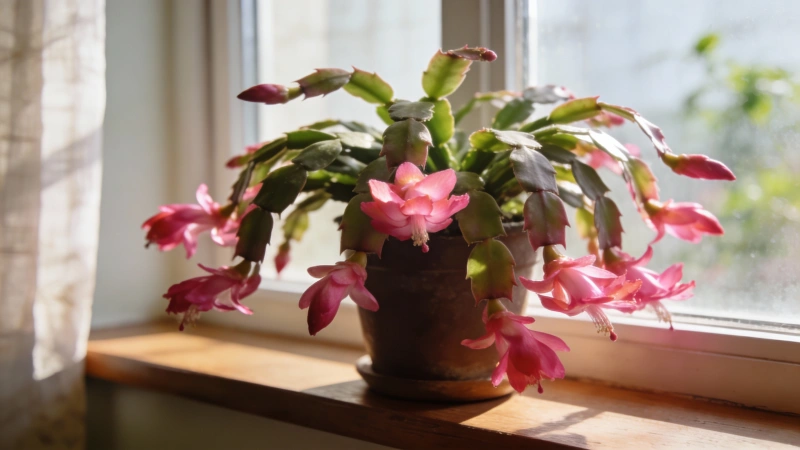

A healthy Christmas cactus can carry 50+ blooms once you get the fall routine right.
I almost killed my first Christmas cactus. The leaves turned a dull red, the buds dropped one by one, and the plant sulked through an entire holiday season without a single flower. If that sounds familiar, you’re in good company — it’s the most common Christmas cactus complaint there is.
Three years later, that same plant throws out more than 50 blooms every December, and I’ve propagated nine new plants from it to hand out to friends and family. Nothing about my routine is complicated. The turning point was simply realizing I’d been treating a Brazilian rainforest plant like a desert succulent.
In this guide I’ll walk you through everything I learned the hard way — watering and light, the fall “dark treatment” that actually triggers blooming, the mistakes that make buds drop, and the propagation method that gives me a roughly 90% success rate. Whether you’re starting from scratch or trying to revive a stubborn plant, you’ll find tested, practical advice here.
What you’ll learn:
- The exact watering approach that prevents root rot
- How to trigger blooming every single year
- Common problems and how to fix them fast
- Easy propagation to multiply your collection for free
Quick Answer: How to Care for a Christmas Cactus
Here’s what your Christmas cactus needs to thrive:
- Light: Bright, indirect light (an east- or north-facing window is ideal)
- Water: Only when the top 1–2 inches (2.5–5 cm) of soil feel dry
- Temperature: 60–70°F (15–21°C) during the day
- Soil: Fast-draining cactus or succulent mix
- Blooming trigger: 12–14 hours of darkness daily for 6–8 weeks in fall
Below, I break down each point with specifics from my own plants.
What Is a Christmas Cactus?

The Christmas cactus (Schlumbergera bridgesii or Schlumbergera × buckleyi) is nothing like the prickly cactus most people picture. It originates in the tropical rainforests of Brazil, where it grows perched on tree branches rather than in sandy ground. That single fact explains most of its care: as an epiphyte — closer to an orchid than to a barrel cactus — it wants more humidity and steadier moisture than any desert plant would tolerate.
Here’s the part that surprises people: with decent care these plants routinely live 20–30 years, and some treasured family specimens have survived well past a century. According to KARE11 news, one family’s Christmas cactus has been passed down for more than 125 years.
Christmas Cactus vs. Thanksgiving Cactus vs. Easter Cactus
One thing worth knowing before you fuss over the “right” care: roughly 90% of plants sold as “Christmas cactus” are actually Thanksgiving cacti. It rarely matters in practice, because care is identical across all three. The differences are mostly in leaf shape and bloom timing.

| Feature | Christmas Cactus | Thanksgiving Cactus | Easter Cactus |
|---|---|---|---|
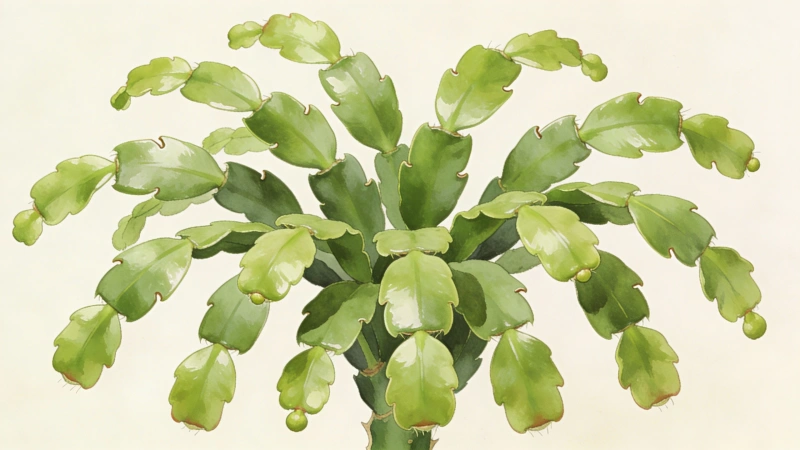
| Leaf edges | Rounded, scalloped | Pointed, claw-like | Smooth, oval |
| Bloom time | Mid-December | November | March–April |
| Flower shape | Symmetrical, drooping | Slightly asymmetrical | Star-shaped |
Basic Care Requirements
Get the fundamentals right and you’re 90% of the way there. Here’s what has worked best for me, year after year.
Light Requirements

Aim for bright, indirect light. East- or north-facing windows are ideal; if a south window is all you have, keep the plant 3–6 feet back from the glass so the midday sun doesn’t scorch it.
The plant tells you when the light is wrong. Leaves that flush red or purple usually mean too much direct sun, while thin, stretched-out growth means it isn’t getting enough. I learned the first lesson by parking my cactus right on a south-facing sill that first year — within a couple of weeks the segments had turned bright red. Moving it to my east window reversed the color in about two weeks.
Watering: The Factor That Matters Most
More Christmas cacti die from watering mistakes than from anything else, and almost always from too much rather than too little. My rule is simple: water only when the top 1–2 inches of soil feel dry to the touch. Don’t judge by the surface alone — push a finger in and check.
When you do water, do it properly. Soak the pot until water runs from the drainage holes, let it drain for about 15 minutes, then empty the saucer. The plant should never sit in standing water. The New York Botanical Garden recommends the same approach: water thoroughly once the top half of the soil is dry, and clear excess water from the saucer within 15 minutes.
I adjust the rhythm with the seasons rather than watering on a fixed calendar:
- Spring/Summer (active growth): roughly every 7–10 days
- Fall/Winter (dormancy and blooming): roughly every 10–14 days
If forgiving, low-maintenance houseplants are your thing, you might also like my guide on how to care for a snake plant — another plant that thrives on a little neglect.
Soil Requirements
Christmas cactus needs soil that drains fast. Standard potting mix stays soggy for too long and is the fastest route to root rot, so reach for one of these instead:
- A commercial cactus or succulent mix
- A DIY blend of 3 parts potting soil to 1 part perlite or coarse sand
The whole game is drainage. These plants aren’t desert dwellers, but their roots still rot quickly in waterlogged soil. The same principle applies across most succulents — if you grow several, the soil tips in my guide on how to take care of an aloe vera plant carry over directly.
Temperature and Humidity

It helps to think in terms of what horticulturists call a plant’s three cardinal temperatures — the minimum it can survive, the optimum where it actually thrives, and the maximum it can tolerate. For Schlumbergera, that optimum sits cooler than most people assume, which is exactly why a too-warm room so often blocks blooming:
- Daytime: 60–70°F (15–21°C)
- Nighttime: 55–65°F (13–18°C)
- To trigger blooms: cooler nights around 50–55°F (10–13°C)
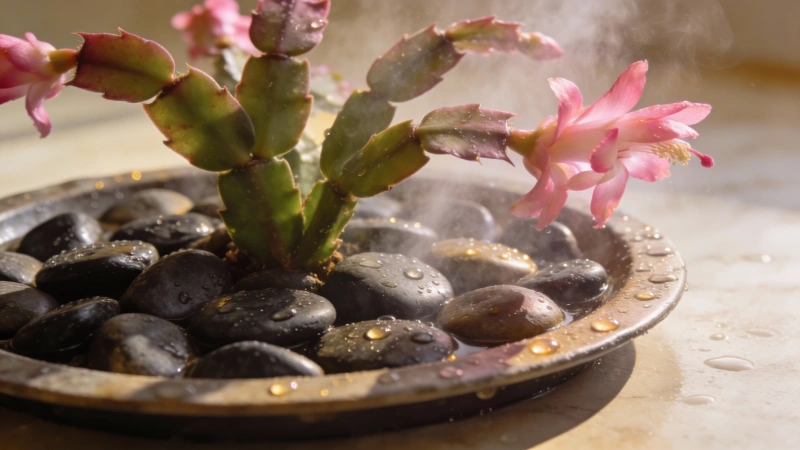
On humidity, these tropical plants are happiest at 40–60%. Winter heating dries indoor air fast, so I lean on a few easy fixes: a pebble tray (the pot rests on the pebbles, never in the water), the occasional misting, and grouping plants together so they share moisture.
AvoidHeating vents and radiators, cold drafts from windows or doors, and any spot that dips below 50°F (10°C) — sustained cold causes real damage to the segments.
How to Make Your Christmas Cactus Bloom
“Why won’t my Christmas cactus bloom?” is the question I hear most. After striking out completely my first year, I finally cracked it — and the answer isn’t complicated, though it does take a little forward planning.
The Secret: The Dark Treatment

A Christmas cactus is a “short-day plant,” which means it needs long stretches of uninterrupted darkness to set flower buds. The Iowa State University Extension notes that the plant won’t bloom well if it’s exposed to artificial light at night during fall — and “artificial light” includes the small stuff. A television, a hallway lamp, even a streetlight through the window can be enough to interrupt the process.
Here’s exactly what to do, starting in mid-September:
- Give the plant 12–14 hours of complete darkness every night (roughly 6 p.m. to 8 a.m.)
- Keep it up for 6–8 weeks
- Hold temperatures cool: 50–60°F (10–15°C)
- Cut back on watering — let the soil dry more than usual
- Stop fertilizing entirely
In practice, that can mean moving the plant to an unused bedroom or basement, covering it with a dark cloth or box each evening, or tucking it into a closet overnight. As soon as you spot buds forming, you can return to normal care.
Why Buds Drop (and How to Prevent It)
Few things sting more than watching your cactus finally set buds, only to see them fall off before a single one opens. The usual culprits:
- Moving the plant (in my experience, the number-one cause)
- Overwatering or underwatering
- Sudden temperature swings
- Humidity crashing when the heat kicks on
- Nearby ripening fruit, which releases ethylene gas
My hard-learned lessonOnce buds form, do not move the plant. My second year, I proudly carried my budding cactus into the living room to show it off — within a week, half the buds had dropped. Now I choose the plant’s “display spot” before the dark treatment even starts, and it stays put right through blooming.
My Real Experience: From Plant Killer to 50+ Blooms

Let me walk you through the whole arc with this plant — odds are you’ll recognize a few of your own struggles in it.
The Starting Point (December 2022)
A friend gave me a blooming Christmas cactus as a holiday gift, covered in pink flowers. “How hard can this be?” I thought — and promptly treated it like my other succulents: minimal water, plenty of direct sun on a south-facing sill.
What Went Wrong (Year 1)
Within a month the leaves started reddening, and I waved it off as normal winter color. It wasn’t. By the following October the plant looked healthy enough — green and full — but not one bud appeared. I waited through November, December, January… nothing. It seemed perfectly healthy, which only made the lack of flowers more baffling.
What I Learned and Changed (Year 2)
Once I started reading, two mistakes jumped out: too much direct light (the cause of those red leaves) and no dark period at all, so the plant never got the signal to bloom. That September I committed to the dark treatment — black cloth over the plant every evening at 6 p.m., off again at 8 a.m., for seven straight weeks.
It worked. By early November I could see tiny buds forming, and I was thrilled — right up until I made my next mistake and moved the plant to the living room to show my family. About half the buds dropped within ten days. It still bloomed, maybe 15 flowers, but it could have been so much more.
Finally Getting It Right (Year 3)
In 2024 I put everything together. I moved the plant outside for summer to a shaded spot under a tree, let the natural fall temperature drop do the bud-triggering work, and brought it back to its final indoor spot before any buds were visible. Once heating season started I set it on a pebble tray — and, crucially, I didn’t move it once buds appeared.
The result: more than 50 blooms that held for six weeks. The plant looked spectacular. I also took 10 stem cuttings that fall, and nine rooted successfully — a 90% success rate.
Key Takeaways
If you remember nothing else:
- Light: bright but indirect — never harsh direct sun.
- Water: only when the top 1–2 inches of soil are dry; always drain.
- Soil: fast-draining cactus mix, no exceptions.
- Blooms: 12–14 hours of darkness nightly for 6–8 weeks each fall.
- Stability: once buds form, don’t move it.
The plant doesn’t ask for perfection. It just needs the basics done consistently.
Seasonal Care Calendar

| Season | Months | Key Care Tasks |
|---|---|---|
| 🌸 Spring | March–May | Resume regular watering, start monthly fertilizing, prune for shape, take cuttings to propagate |
| ☀️ Summer | June–August | Move outdoors to a shaded spot (optional), water more often, keep fertilizing |
| 🍂 Fall | September–November | Begin the dark treatment (mid-Sept), reduce watering, stop fertilizing, keep cool (50–60°F) |
| ❄️ Winter | December–February | Enjoy the blooms, don’t move the plant, maintain humidity, water sparingly, rest after flowering |
Summer Outdoor Care Tips
If you have the space, summering your Christmas cactus outdoors can do wonders — the humidity and natural light really seem to invigorate it. A few ground rules keep it safe:
- Choose a shaded spot (under trees or on a covered porch)
- Never place it in direct sun — it will scorch
- Bring it in before temperatures fall below 50°F (10°C)
- Check for pests before moving it back indoors
Spending more time in the yard this summer? You may run into other garden headaches. If you notice tunnels or mounds chewing up your lawn, my guide on how to get rid of moles will help you stop the problem before it spreads.
Common Problems and Solutions
Even with good care, things go sideways now and then. Here’s how to diagnose and fix the issues I see most.
Root Rot
This is the single biggest killer of Christmas cacti — but catch it early and you can usually save the plant.

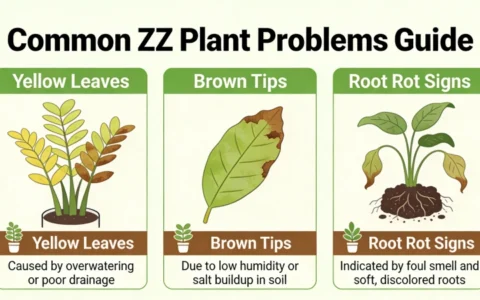
Symptoms: yellow, wilting leaves; soft, mushy stems (especially at the base); a foul smell from the soil; and a plant that lifts out of its pot far too easily.
How to save it:
- Remove the plant from its pot right away
- Rinse the roots under lukewarm water
- Cut away every black or mushy root with clean scissors
- Let the plant air-dry for 24 hours
- Repot in fresh, fast-draining cactus soil
- Wait 5–7 days before watering again
According to Gardening Know How, if the roots are completely black and smell rotten the plant may be too far gone — but you can still take cuttings from any healthy stems and start over.
Comment
by u/anonymousgoat_ from discussion in plantclinic
PreventionAlways use a pot with drainage holes, never let it sit in water, and let the soil dry between waterings. Do those three things and root rot rarely gets a foothold.
Leaves Turning Red or Purple
Most likely cause: too much light. Other possibilities include a phosphorus deficiency, stress from underwatering, or temperature stress. The fix is usually as simple as moving the plant somewhere with less direct sun — the green should return within two to three weeks.
Limp, Wrinkled Leaves
This one is tricky, because it can mean either overwatering or underwatering — you have to check the soil to know which. If the soil is wet, stop watering, inspect for root rot, and improve drainage. If it’s bone dry, water thoroughly and make sure the plant isn’t badly rootbound.
Pests
Christmas cacti occasionally pick up mealybugs (white cottony spots), spider mites (tiny dots with fine webbing), or scale insects (brown bumps along the stems). My approach is the same for all three: isolate the plant immediately, wipe off what you can see with an alcohol-dipped cotton swab, then spray with diluted neem oil or insecticidal soap and repeat weekly until it’s clear.
On the subject of unwanted insects — if they’re turning up elsewhere in your home, especially as the weather cools, my guide on how to get rid of stink bugs may come in handy.
How to Propagate a Christmas Cactus
One of the best things about this plant is how easily it multiplies — one cactus can become a whole shelf of them, for free.

Best Time to Propagate
Late winter to early summer, after blooming ends, works best. With flowering behind it, the plant pours its energy into root development instead.
Step-by-Step Guide
Step 1 — Select your cuttings. Choose healthy stems with 2–4 segments, and twist gently at a joint to separate them rather than cutting. Taking several cuttings at once improves your odds.
Step 2 — Let them callus. Set the cuttings on a paper towel in indirect light for 1–2 days so the cut ends dry and seal over. This step is what prevents rot once they’re planted.
Step 3 — Plant them. Insert each cutting about an inch deep into slightly moist cactus or succulent mix, and press the soil gently to hold it upright.
Step 4 — Care for the new plants. Keep them in bright, indirect light with the soil barely moist — not wet. Roots typically develop in 2–4 weeks; a gentle tug that meets resistance means they’ve taken.
The Iowa State University Extension recommends the same callusing step — letting the cut ends dry overnight before planting them in perlite or coarse sand.
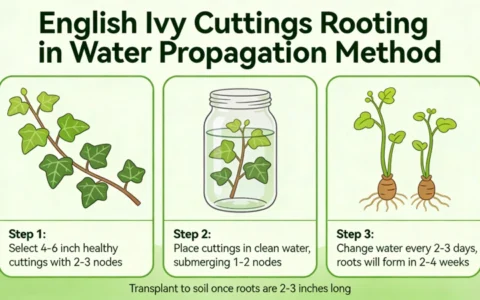
Pro tip from my own resultsOut of 10 cuttings last spring, nine rooted — a 90% success rate. I’ve tried water propagation too, but those cuttings seem more prone to rot; soil gives me sturdier roots every time.
Video: Christmas Cactus Care and Propagation
Want to see these techniques in action? This short video walks through care and propagation step by step:
Frequently Asked Questions
Why won’t my Christmas cactus bloom even after years of care?
The most common reason is a missing “dark period” in fall. Starting mid-September, the plant needs 12–14 hours of uninterrupted darkness each night for 6–8 weeks, and even small light sources (a TV glow, a hallway light) can prevent it. Keep nights cool, too — sustained temperatures above 70°F (21°C) inhibit bud formation.
Can I use regular potting soil for a Christmas cactus?
I don’t recommend it. Regular potting soil holds too much moisture and invites root rot. Use a cactus or succulent mix, or blend 1 part perlite into 3 parts potting soil to improve drainage.
Is a Christmas cactus toxic to cats and dogs?
Good news for pet owners: according to the ASPCA, the Christmas cactus is non-toxic to cats and dogs — one of the safer flowering houseplants you can keep. Eating a large amount may still cause mild stomach upset.
How often should I repot my Christmas cactus?
Every 2–3 years is usually plenty. Christmas cacti actually prefer to be slightly rootbound, which can encourage blooming, so only repot when roots push out of the drainage holes or growth slows noticeably — and go up just one pot size when you do.
Why are my leaves falling off?
Segment drop usually points to stress — overwatering or underwatering, a sudden change in environment, or root problems — though a little natural shedding is normal. Check your watering routine first, since moisture is the most common culprit.
Can a Christmas cactus bloom more than once a year?
Yes. Some plants put out a second, smaller flush of flowers in late winter or early spring; mine has done it occasionally. Consistent care and good light seem to encourage repeat blooming.
Final Thoughts

A Christmas cactus isn’t difficult to care for; it just needs the right approach. Once I stopped treating mine like a desert plant and started giving it what a rainforest epiphyte actually wants, everything clicked into place.
The most rewarding part is the timescale. These plants can live for decades — over 100 years with good care — which means the one on your windowsill could one day be a living heirloom you pass down to your kids or grandkids. Mine is only three years old, but I’m already planning to keep it going as long as I can.
So start with the basics, be patient through that first dark treatment, and don’t give up if year one isn’t perfect. Mine certainly wasn’t — and it now blooms like clockwork.
Have questions about caring for your Christmas cactus? Drop them in the comments below — I’m always happy to help based on what’s worked (and failed) for me.
This article was created by a professional team. AI tools were used during the research and writing process to enhance efficiency and quality. All information has undergone manual verification and editing to ensure accuracy and practicality. We are committed to providing readers with objective and valuable content.
Publisher::Spring Mei,Please indicate the source when reposting:https://gardeningtoolsgarden.com/how-to-care-for-a-christmas-cactus/