This jade plant care guide covers watering Crassula ovata, giving it enough light, choosing a potting mix, pruning a top-heavy plant, propagating cuttings, and troubleshooting common problems one check at a time. It won’t offer a magic watering interval. It will help you decide your next step based on what the plant and the pot are telling you.
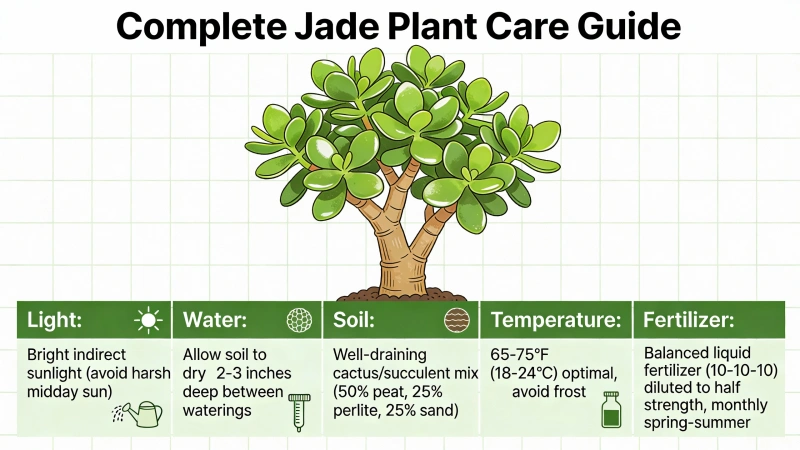
Quick answer: How do you care for a jade plant? Give it several hours of strong light, ideally including some gentle direct sun once the plant has acclimated. Plant it in a porous, well-drained mix in a pot with drainage holes. During active growth, water thoroughly and let the mix dry out between waterings; water less when growth slows. If leaves turn soft or drop while the soil stays wet, check the roots. Prune to keep the plant from getting top-heavy, and root healthy stem or leaf cuttings to start new plants.
Jade Plant Care at a Glance
Jade (Crassula ovata) is a succulent shrub native to southern Africa. Its fleshy leaves store water, and the branches turn woody and tree-like with age. A well-grown plant can stay in the same container for many years, but its small root system and increasingly heavy canopy make drainage, pot stability, and occasional pruning especially important.
| Care factor | Practical starting point | Common mistake |
|---|---|---|
| Light | Bright window; often does best with four or more hours of direct or strong filtered light | Leaving it in deep shade or abruptly moving it into intense sun |
| Water | Water thoroughly, then let the mix dry; check below the surface | Watering on a fixed weekly schedule or letting water sit in a cachepot |
| Soil | High-porosity succulent mix with mineral components | Dense, compacted mix that stays wet around the roots |
| Pot | Drainage hole; sized to the root ball and stable enough for a heavy canopy | An oversized or unstable pot |
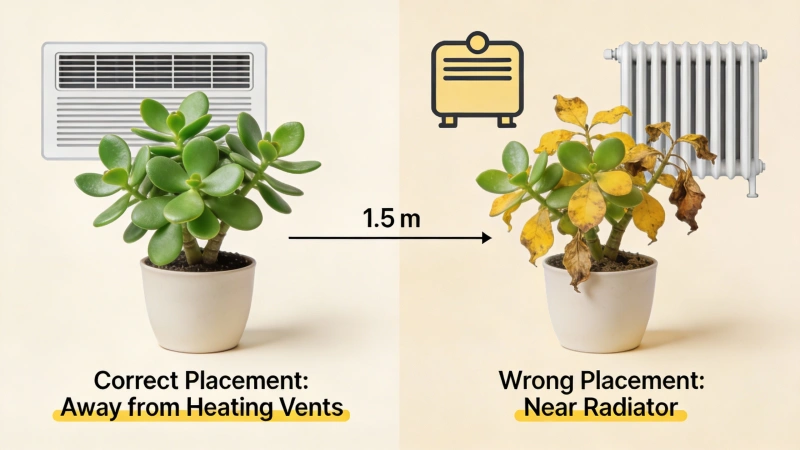
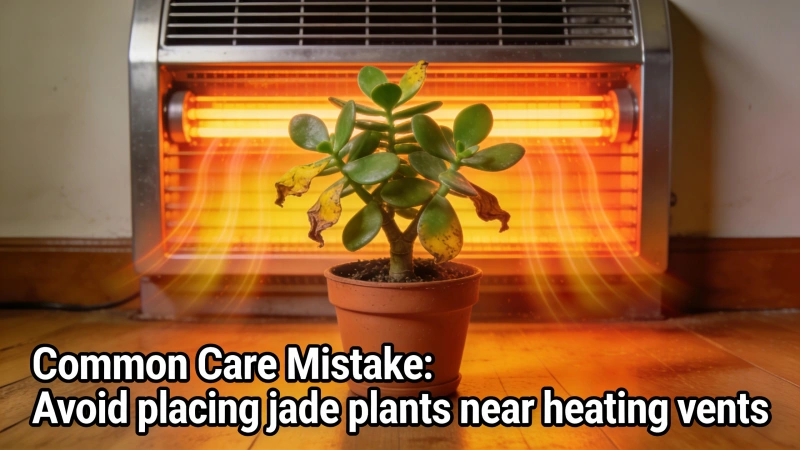
| Temperature | Comfortable room temperatures; protect from freezing and drafts | Cold, wet roots or a sudden move outdoors |
| Feeding | Light feeding during active growth, if needed | Heavy fertilizing while the plant is stressed or dormant |
| Propagation | Stem and leaf cuttings; allow cut surfaces to dry before rooting | Keeping fresh cuttings constantly soggy |
| Pet safety | Toxic to cats and dogs if ingested | Assuming “succulent” means pet-safe |
How Often Should You Water a Jade Plant?
No single schedule works for every jade, whether it’s “every Sunday” or “every two weeks.” A plant in a small terracotta pot beside a bright window may need water much sooner than the same plant in a large plastic pot in a dim room. Soil, roots, temperature, airflow, and season all play a part.
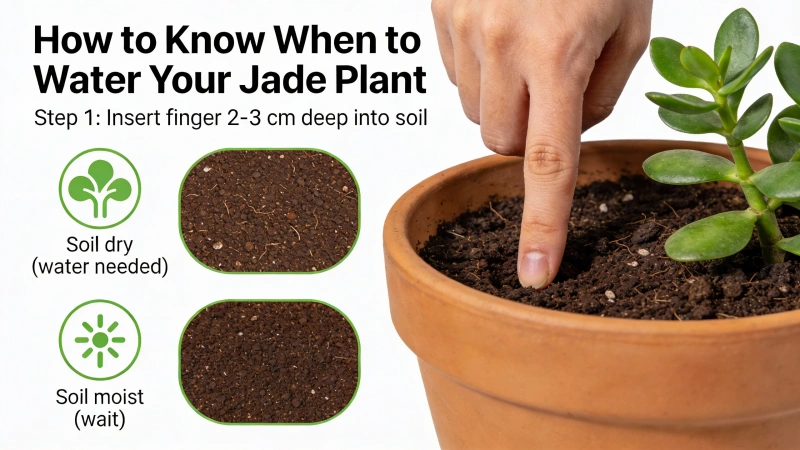
Judge the whole pot, not just the surface. The top inch can be dry while the root zone is still damp, particularly in a deep pot. With an established jade, let the mix dry out well between waterings. Then water until it runs through the root ball and let the excess drain, rather than adding small amounts every day.
The 3-check watering decision
- Check deeper moisture. Push a dry wooden skewer down toward the lower root zone, steering around thick roots where you can. Leave it briefly, then pull it out. Cool, damp mix clinging to the skewer means it’s best to wait. In small pots, you can also check by touch.
- Compare the pot’s weight. Lift the pot after a normal watering and again once it has dried, so you know how much lighter it gets. Over time, weight becomes a useful clue.
- Inspect leaves and stems. A mildly softer or slightly wrinkled leaf may mean the plant’s water reserves are running low. A collapsing, translucent, or mushy stem base, on the other hand, calls for a rot check before any watering.
| Observed condition | Likely action | Why |
|---|---|---|
| Mix is damp below the surface; leaves reasonably firm | Wait and check again | The roots still have moisture, and more water may keep the mix wet too long. |
| Mix has dried well through the root zone; pot feels light | Water thoroughly and allow free drainage | This replaces moisture without keeping the roots constantly saturated. |
| Leaves wrinkle; mix is fully dry and shrunken away from the pot | Rehydrate slowly and confirm the mix absorbs water | Very dry mix can sometimes repel water instead of wetting evenly. |
| Leaves wrinkle but mix remains wet | Do not water again; inspect the roots | Damaged roots may be unable to take up the water that’s already there. |
| Soft, blackened stem base; foul smell; wet mix | Inspect the roots and stem right away | Possible decay; standard watering advice doesn’t apply. |
What changes watering in summer versus winter?
Bright light, warm temperatures, small pots, and active new growth can all increase water use. Shorter days, cooler rooms, and slower growth generally mean the pot takes longer to dry. Set reminders to check moisture, not to pour water.
For other drought-tolerant plants, our succulent care guide compares how soil, light, and plant type change the watering decision. A snake plant is similarly drought-tolerant but handles darker rooms better than a jade, so don’t copy one plant’s watering routine for the other.
Practical test: If water runs straight down the side of a completely dry root ball, the mix may have become hydrophobic. Re-wet it slowly until it takes up water, then let it drain fully. Topping up the saucer again and again won’t fix compacted or water-repellent mix.
Jade Plant Light Requirements: How Much Sun Is Enough?
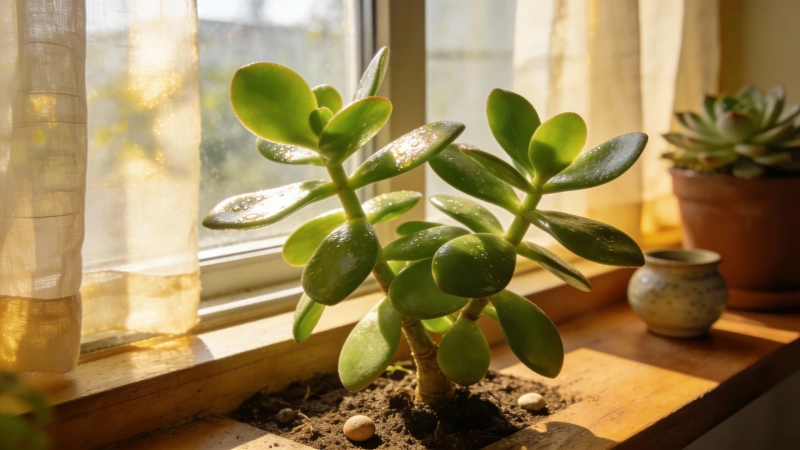
Jade generally needs more light than many tropical foliage houseplants. University of Wisconsin Horticulture notes that jade plants do best with four or more hours of direct sun, although they can survive in bright indirect light. The difference often shows up in how tightly the leaves and stems are spaced.
| Location | What to expect | Adjustment |
|---|---|---|
| Bright south-facing window | Often good for compact growth | Shield a plant that was previously shaded from sudden, intense summer sun. |
| East-facing window | Gentler morning sunlight; may work well | Watch the spacing and lean of new growth. |
| West-facing window | Strong afternoon light, sometimes excellent for established plants | Acclimate gradually and watch for bleached or scorched patches. |
| North-facing window or distant shelf | The plant may survive, but growth can turn weak or stretched | Move it to a brighter spot in stages, or consider a grow light. |
Why is my jade plant growing long, thin stems?
Widely spaced leaves, a leaning crown, and weak, stretched new shoots are classic signs of too little light, a response known as etiolation. More light helps future growth come in more compact, but stems that have already stretched won’t shorten again. Once the plant has settled in, pruning can restore its shape.
What do red edges on jade leaves mean?
Red edging can develop with stronger light and other environmental factors. On otherwise firm, healthy leaves, it’s usually a cosmetic variation rather than a sign of disease. Irregular bleached or brown, dry patches after a move into harsh sun suggest sunscald instead. Either way, change conditions gradually; a red edge alone doesn’t confirm that the plant’s care is perfect.
If you move a jade outdoors for the summer, increase its sun exposure over days or weeks, and protect it from freezing temperatures. Do not move a window-grown plant directly into full afternoon sun.
Best Soil and Pot for Jade Plants
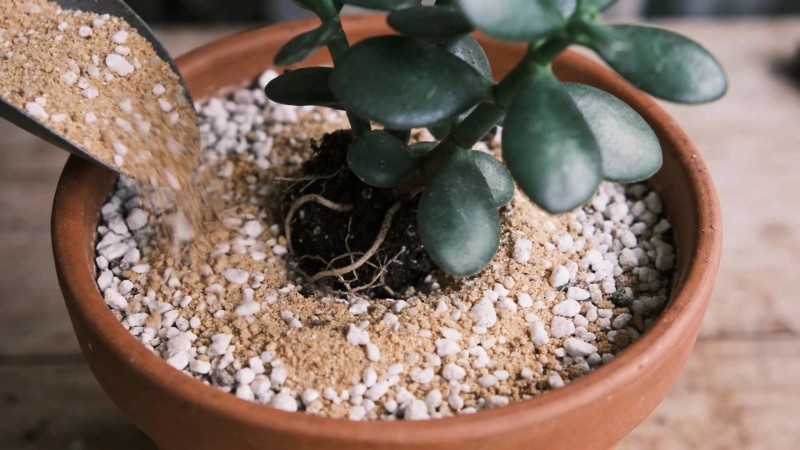
Drainage and aeration matter more than any one “secret recipe.” Jade prefers a free-draining, porous mix. A commercial cactus/succulent mix is a good starting point, and regular potting mix can be improved with perlite, pumice, or another coarse horticultural material. Avoid fine construction sand and heavy garden soil, which compact around roots.
Is a 50/25/25 potting mix required?
No. The ideal mix depends on the base material, the container, your climate, and your watering habits. Two practical checks matter more than a ratio: Does water pass through the mix freely after watering? And does the root zone dry out again instead of staying saturated for long stretches?
Terracotta vs. plastic: which is better?
| Pot material | Advantages | What to watch |
|---|---|---|
| Unglazed terracotta | Porous sides can speed drying; a heavier pot may stabilize a top-heavy jade | May need more frequent moisture checks in hot, bright rooms. |
| Plastic nursery pot | Lightweight; the root ball is easy to remove and inspect | Mix may stay damp longer; can tip over under a heavy canopy. |
| Glazed ceramic with drainage | Decorative and often stable | Watch how long the mix takes to dry; a drainage hole is still important. |
| Decorative cachepot without drainage | Useful as an outer cover | Keep the jade in a separate inner pot with drainage, and empty any standing water. |
Choose a container only modestly wider than the root ball, unless the plant needs a larger or heavier pot for stability. A large volume of unused, damp mix can be risky around a relatively small jade root system. Repot when the roots are crowded, the pot is unstable, or the mix has broken down. The University of Wisconsin’s jade guidance describes repotting roughly every two to three years when needed, rather than on a rigid yearly schedule.
Jade Plant Yellow Leaves, Wrinkles and Leaf Drop: Diagnosis Chart
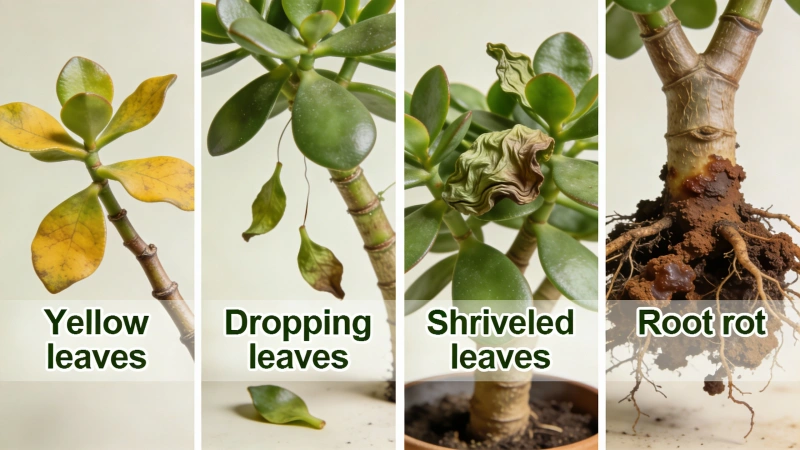
Leaf appearance alone isn’t enough to diagnose a problem. According to Clemson and Wisconsin Extension, a jade can drop leaves from overwatering and from prolonged drought. Read the symptoms together with the condition of the mix, the roots, and any recent change in the plant’s surroundings.
| Symptom | Possible causes | What to check first |
|---|---|---|
| Yellow leaves + persistently wet mix | Root stress from poor drainage, overwatering, possible decay | Drainage holes, pot weight, stem base, and the roots if the problem is severe |
| Wrinkled leaves + thoroughly dry mix | Drought stress, or mix that doesn’t wet evenly | Skewer, pot weight, and whether water penetrates the root ball |
| Wrinkled leaves + wet mix | Root damage or inability to take up water | Root firmness and odor; avoid adding more water |
| Sudden leaf drop after relocation | Changes in light or temperature, watering mismatch | Recent move, drafts, changes in dry-down time |
| Long thin stems and widely spaced leaves | Insufficient light | How much daylight actually reaches the leaves and new growth |
| Black, soft stem base | Potential serious stem or root decay | Unpot the plant promptly and look for firm, viable tissue |
| Fine speckling or moving pests | Spider mites or other pests | Leaf undersides and white-paper test |
| White cottony clusters | Mealybugs | Stem joints, leaf axils, and neighboring plants |
If several houseplants are yellowing at once, our general yellow-leaf diagnosis guide helps you sort out watering problems, light, pests, and natural aging. For a problem that has spread through the whole plant, the plant rescue checklist takes a broader approach.
Jade Plant Root Rot: What to Do Before It Spreads
Act promptly if a jade has a soft or blackened base, mix that stays wet, a sour smell, or roots that slough apart. Not every brown root is rotten; texture and condition matter more than color. Healthy roots should be reasonably firm, and some are naturally tan rather than bright white.
- Remove the plant from the pot gently. Support the stems and keep the root ball as intact as you can.
- Inspect the roots and stem base. Remove loose, wet mix so you can tell firm, living roots from tissue that is soft, slimy, hollow, or falling apart.
- Cut away only clearly decayed tissue. Use clean, sharp tools and disinfect them when moving between diseased and healthy tissue. Don’t remove tan roots unnecessarily.
- Discard the old mix. Repot in fresh, porous mix in a clean container with drainage, and don’t put the plant back into the same wet conditions.
- Assess how much healthy tissue is left. If the lower stem is badly affected, take healthy stem cuttings from above the damaged area as a backup when possible.
- Water cautiously afterward. Base watering on how many roots remain, the new mix, and how quickly the pot actually dries. There is no evidence-based rule that a rescued jade must stay completely dry for exactly 14 days or receive a fixed amount by the cup.
Don’t reach for a chemical fix by default. A hydrogen-peroxide soak, a kitchen spice, or a fungicide won’t cure every cause of root decay. If the stem is collapsing, a cutting from unaffected tissue may have a better chance than repeated treatments on a dying root ball.
Our root rot treatment guide goes into more detail on judging root firmness, pruning, and repotting. Whatever you do, the aim is to correct the growing conditions, not just treat the symptom.
How to Prune a Jade Plant and Make It Bushier
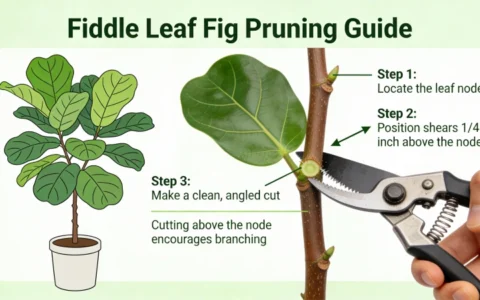
Jade plants get heavier with age. Pruning can prevent a lopsided, top-heavy plant and encourage branching from suitable nodes. Spring, or any period of active growth, is usually a practical time to prune a healthy plant.
- Decide on a shape: an upright miniature tree, a more compact bush, or a balanced multi-stem plant. Remove damaged growth first.
- Find the nodes and side branches: look for where leaves or paired nodes grow. New shoots can form below a cut, but how many branches you get isn’t guaranteed.
- Cut with a clean, sharp tool. Remove an overlong shoot just above a suitable node or side branch, and don’t take too much live foliage from a stressed plant.
- Protect the cut: keep it dry and clean while it closes, and avoid repeatedly spraying it with homemade mixtures.
- Watch the new growth: keep the plant in suitable light, and don’t use extra fertilizer to make up for poor growing conditions.
Why does my jade keep leaning? Check whether it’s reaching toward the window, whether the older stems have become top-heavy, and whether the pot is stable. Rotating a healthy plant from time to time can even out its exposure, but a branch that has already stretched may need to be pruned back. Healthy trimmings can be used for stem propagation.
How to Propagate a Jade Plant: Stem vs. Leaf Cuttings
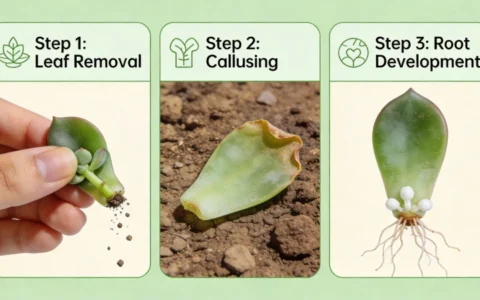
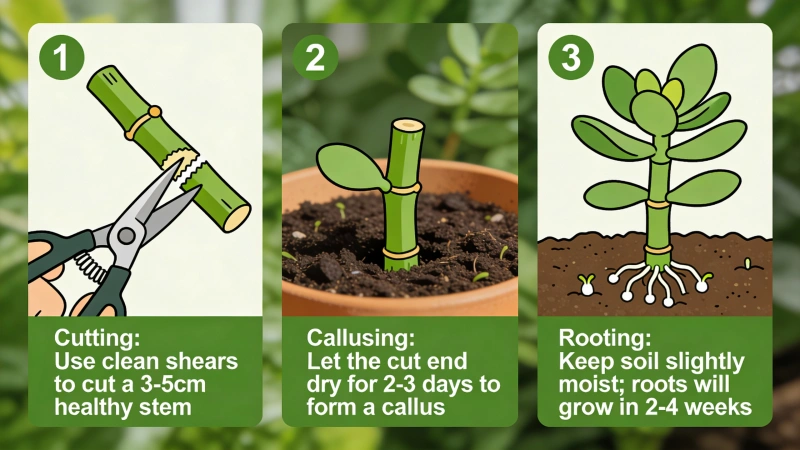
Jade roots readily from both stems and leaves under suitable conditions. The key is to start with healthy material and keep the rooting mix from getting saturated. Wisconsin Horticulture advises letting cut surfaces dry for a few days before planting, which helps reduce rot.
Method A: Stem cuttings (best for a faster, structured new plant)
- Choose a firm, pest-free shoot with healthy leaves. Cut a section large enough to handle comfortably, usually a few inches long.
- Use a clean blade. Strip the leaves from the part that will go into the mix, then let the cut end heal for a few days in a dry, shaded spot.
- Set the callused end in a small pot of porous rooting mix and keep the cutting upright.
- Put the pot in bright indirect light while the cutting roots. Keep the mix lightly moist, not constantly wet.
- Look for signs of establishment, such as new growth or gentle resistance, rather than expecting roots on a specific day.
Method B: Leaf cuttings (slow, inexpensive, fun to observe)
- Choose a healthy mature leaf and detach it with its base intact.
- Let the wound dry, then lay the base against a clean, free-draining rooting mix.
- Give it bright indirect light and don’t soak the mix.
- Watch for roots and, eventually, a small plantlet. Leaf propagation can take longer, and not every leaf will produce a new plant.
- Leave the plantlet undisturbed until its root system is large enough to handle transplanting.
| Consideration | Stem cutting | Leaf cutting |
|---|---|---|
| What you start with | Section of stem with nodes and leaves | One intact leaf |
| Early appearance | Already has a stem framework | Begins as a tiny plantlet |
| Speed to a visible small plant | Often quicker, but variable | Often slower and less predictable |
| Best use | Pruning leftovers and replacing a plant with damaged lower stems | Starting several plants when you have little material |
| Common failure | Base stays wet and rots | Leaf breaks at the base, or the rooting mix stays soggy |
Why did my jade cutting turn black?
Common causes include damaged stem tissue, planting before the cut has healed, and a rooting mix that stays too wet. Take a new cutting from firm, healthy tissue, check the container’s drainage, and don’t add more water in response to the blackening.
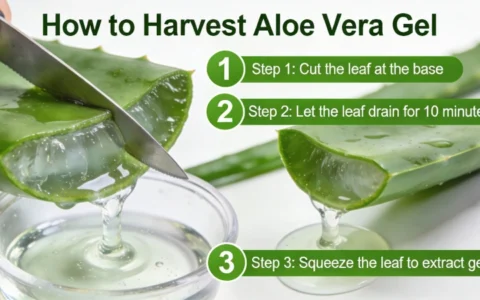
For plants with different propagation habits, see our aloe vera care article and the broader succulent growing guide. Unlike jade, which can be propagated from a single leaf, aloe is normally propagated from offsets rather than a detached leaf.
Seasonal Jade Plant Care and Common Pests
| Season | Best priority | What not to assume |
|---|---|---|
| Spring | Check for new growth; repot or prune if needed | Don’t move up a pot size just because it’s spring. |
| Summer | Provide strong light and check the mix more often, since it may dry faster | Don’t set a previously shaded jade out in harsh sun all at once. |
| Fall | Adjust watering as daylight decreases; bring outdoor plants inside before frost | Don’t keep the summer watering frequency once the root zone stays damp longer. |
| Winter | Protect from freezing, cold glass, and wet roots; reduce fertilizer | Don’t assume every jade goes fully dormant or needs no water all winter. |
Mealybugs: Look for small, white, cotton-like clusters in the leaf axils and at branch joints. Clemson Extension notes that jade plants can be sensitive to insecticidal soap, so don’t spray products indiscriminately. For a small infestation, spot-removing the insects with a cotton swab may help. For any pesticide, follow verified product guidance.
Spider mites: Look for leaf stippling and moving mites rather than relying on webbing alone. Our spider mite identification and treatment guide explains the white-paper test and label-based control options.
Sticky leaves, bumps, or insects: Check for scale, mealybugs, and infestations on nearby plants before treating. Our pests and diseases topic hub collects more diagnosis articles.
Popular jade plant varieties and look-alikes
- Classic Crassula ovata: oval, fleshy green leaves on thick, branching stems.
- ‘Gollum’ jade: distinctive elongated, tubular leaves.
- ‘Hummel’s Sunset’: a cultivar known for yellow-gold and red coloring in suitable light.
- Variegated jade: cream-and-green foliage; typically does best in bright light.
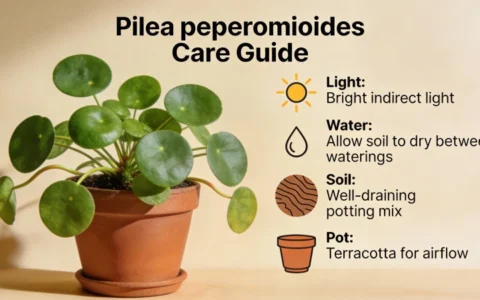
Despite the shared “money plant” nickname, jade and Pilea peperomioides are not the same plant. The Chinese money plant care guide covers a different species with different watering needs.
30-Day Jade Plant Care and Recovery Tracker
Keeping a record of what you changed and what happened next makes it easier to tell whether a fix is working. Use this simple schedule after a repot, pruning, a move to brighter light, or treatment for a suspected watering problem. It’s an observation plan, not a instruction to water every seven days.
| Checkpoint | Observe or record | What matters most |
|---|---|---|
| Day 0 | Photograph the same leaves and the stem base. Record window orientation, pot size, mix type, and moisture level. | Record conditions before you change anything. |
| Day 7 | Repeat the leaf photos, check with a skewer and by pot weight, and note any new leaf drop. | Is the damage continuing, holding steady, or improving? |
| Day 14 | Compare new growth; check for pests and soggy mix. | Healthy new growth says more than old blemishes fading. |
| Day 21 | Review whether the pot is drying appropriately and whether leaf loss has slowed. | Change one factor at a time where practical. |
| Day 30 | Compare photos; note firm stems, leaf condition, new shoots, and watering dates. | Decide whether to carry on, repot, or get advice specific to your plant. |
Copy this jade care log into your notes:
- Date and plant variety
- Pot size, material and drainage: __________________
- Light: window direction and approximate hours: __________________
- Root-zone moisture: dry / slightly damp / wet
- Leaves: firm / wrinkled / yellow / dropping
- Stem base: firm / soft / uncertain
- Watered today? yes / no; observations afterward
- Photo taken from the same angle? yes / no
- One change made this week: __________________
A log kept across several plants also shows how differently they respond. A snake plant, for example, handles low light better than a jade, which is a good reminder not to apply one care schedule to every succulent-looking houseplant.
Is a Jade Plant Toxic to Cats and Dogs?
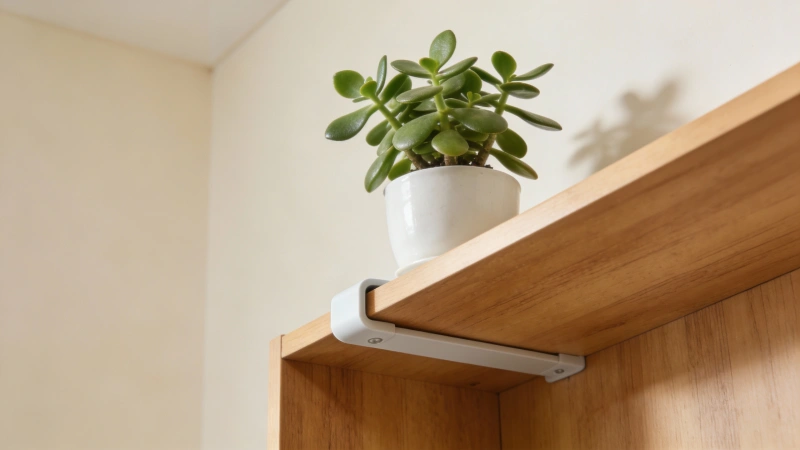
Yes. The ASPCA lists Crassula ovata (jade plant) as toxic to cats and dogs. Reported signs include vomiting, lethargy or depressed behavior, and impaired coordination. If you think a pet has eaten jade, contact a veterinarian or a pet poison-control service right away. Don’t try to induce vomiting unless a professional tells you to.
Keep jade away from pets that chew on leaves, or choose a species confirmed to be pet-safe. The Chinese money plant is one alternative that pet-owning households often choose, but verify the exact botanical identification first.
Frequently Asked Questions About Jade Plant Care
How often should I water a jade plant indoors?
Let the mix dry out between thorough waterings, and check below the surface rather than judging by the top inch alone. Bright light, warm weather, and terracotta pots speed up drying; cold, dark rooms and large plastic pots slow it down. A fixed weekly or monthly schedule isn’t a reliable guide.
Why is my jade plant losing leaves?
Possible causes include too much water, severe drought, cold injury, a sudden change in conditions, and pests. Check root-zone moisture, stem firmness, and any recent move before you respond. Wisconsin and Clemson Extension both link leaf loss to excess water and to drought.
Can jade plants grow in low light?
A jade may survive in bright indirect light, but too little light can lead to thin, stretched stems, widely spaced leaves, and weak growth. For compact growth, give it stronger light, and acclimate it carefully if you’re moving it into direct sun.
Can jade plants recover from root rot?
Sometimes, if enough firm, living stem and root tissue remains and the growing conditions are corrected. A severely decayed stem may not recover, so healthy cuttings from unaffected parts make a good backup. There is no universal success rate or recovery timeline.
How do I make a jade plant bushier?
Give it enough light and prune selected long shoots just above a node during active growth. New shoots may branch below the cut, though branching varies from plant to plant. A mature, heavy canopy also needs a stable pot.
Can I propagate jade plants from a single leaf?
Yes. Remove a healthy leaf with its base intact, let the wound dry, and lay it against a porous rooting mix. A new plantlet may develop over time. Stem cuttings tend to give you a more established shape sooner.
What is the best potting soil for a jade plant?
A free-draining, porous mix made for succulents. Packaged cactus/succulent soil is convenient, but ordinary potting mix amended with perlite, pumice, or another coarse material may also work. Judge a mix by how well it drains and dries, not by a fixed ingredient ratio.
Are jade plants safe for pets?
No. Crassula ovata is toxic to cats and dogs when eaten. Keep it out of reach, and call a veterinarian or animal poison-control professional if ingestion is suspected.
Final Jade Plant Care Checklist
- Light: enough light for compact growth, with gradual acclimation to stronger sun.
- Water: check the root zone, not just the top inch or the calendar.
- Soil: porous and fast-draining, in a pot with a drainage hole.
- Symptoms: use moisture, root texture, and recent changes together to diagnose leaf loss.
- Pruning: manage the weight of mature stems, and use healthy cuttings for propagation.
- Recovery: compare consistent photos and observations instead of expecting a fixed cure date.
- Pet safety: keep jade away from pets that chew foliage.
For broader comparisons, start with our succulent plant care guide. If your jade has soft roots or a failing stem base, turn to the root rot troubleshooting guide.
Research Sources and Further Reading
This guide draws on horticultural extension resources and pet-safety information. Growing conditions vary, and no source can replace a close look at your own plant and its roots.
- University of Wisconsin Horticulture: Jade Plant, Crassula ovata — light, pruning, watering and propagation.
- Clemson Cooperative Extension: Jade Plant — sun exposure, pests, drought and overwatering symptoms.
- NC State Extension Gardener Plant Toolbox: Crassula ovata — plant identification, growing conditions and cultivars.
- ASPCA: Jade Plant Toxicity — pet-safety information.
Editorial Note: This article was written and edited by Spring Mei. AI tools may be used to assist with research and organizing information. The final content is reviewed before publication, and important factual claims are checked against reliable sources where appropriate. Personal experience is distinguished from general guidance, and methods are described as personally tested only when they have actually been tested.
Please indicate the source when reposting:https://gardeningtoolsgarden.com/how-to-care-for-a-jade-plant/
Author: Spring Mei