

When I brought home my first Dracaena marginata three years ago, I had no idea my tap water would become its worst enemy.
Within weeks, the leaf tips started turning brown. A few months later, I was losing 3-4 leaves every week. I tried everything — more water, less water, moving it around the house — nothing worked.
Sound familiar? If you’re watching your Dracaena slowly decline and can’t figure out why, I’ve been exactly where you are.
The good news? After nearly killing my plant, I finally figured out what was going wrong. That struggling 2-foot Dracaena is now a healthy 3.5-foot beauty, and I’ve even propagated a second plant from it.
In this guide, I’ll share everything I learned about caring for Dracaena plants — including the one simple change that transformed my plant’s health almost overnight. You’ll learn:
- The #1 mistake most people make with Dracaena (and how to fix it)
- The right way to water these tropical plants
- How to diagnose and fix common problems
- My step-by-step propagation method
Let’s dive in.
The Short Answer: How to Care for a Dracaena Plant
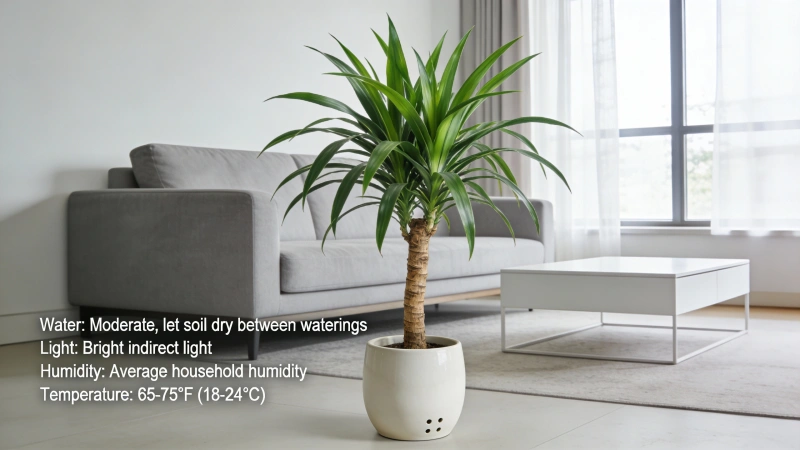
Dracaena plants thrive in bright, indirect light with watering every 1-2 weeks when the top 2 inches of soil are dry. The most important tip: use distilled or rainwater instead of tap water — Dracaenas are highly sensitive to fluoride, which causes permanent brown leaf tips. Keep temperatures between 60-80°F with average humidity for best results.
| Care Aspect | Requirement |
|---|---|
| Light | Bright, indirect (tolerates low light) |
| Water | Every 1-2 weeks; let top 2″ dry first |
| Water Type | Distilled or rainwater (avoid tap water) |
| Temperature | 60-80°F (15-27°C) |
| Humidity | 40-50%+ preferred |
| Soil | Well-draining potting mix with perlite |
| Fertilizer | Monthly during spring/summer (half-strength) |
| Pet Safety | ⚠️ Toxic to cats and dogs |
Now let me walk you through each of these in detail.
How to Care for a Dracaena Plant: Complete Guide
1. Light Requirements: Finding the Sweet Spot
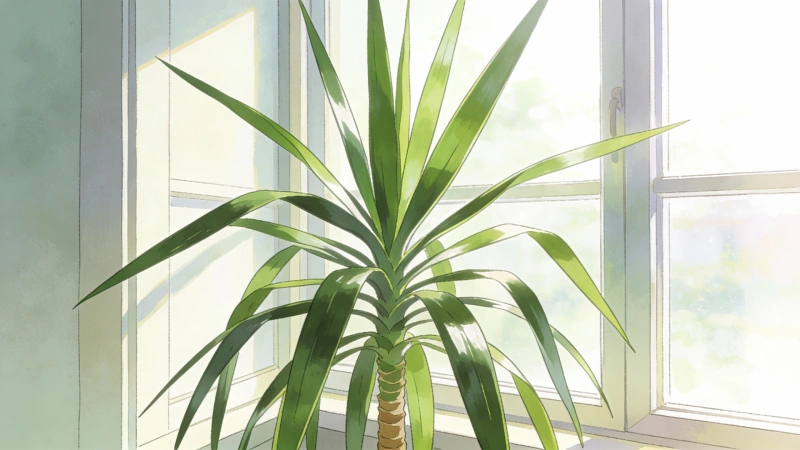
Dracaena plants prefer bright, indirect light — but here’s the good news: they’re pretty flexible.
I initially placed my plant near a north-facing window, thinking I was protecting it from harsh sun. The result? Slow growth and leggy stems.
When I moved it to an east-facing window, the difference was noticeable within weeks. More leaves, better color, faster growth.
Here’s what I’ve learned about Dracaena lighting:
- Best: Bright, indirect light (near an east or west-facing window)
- Acceptable: Low light conditions (growth will be slower)
- Avoid: Direct afternoon sun (causes leaf burn)
If you have a variegated variety like Dracaena ‘Lemon Lime,’ give it more light. These colorful cultivars need brighter conditions to maintain their striking patterns.
Fun fact: According to NASA’s Clean Air Study, Dracaena plants are excellent air purifiers — they can help remove formaldehyde, benzene, and other toxins from indoor air.
2. Watering: The #1 Mistake You’re Probably Making
This is where most people (including me) go wrong with Dracaena care.
The problem isn’t how often you water — it’s what water you use.
Dracaena plants are highly sensitive to fluoride, which is added to most municipal tap water. According to Michigan State University Extension, fluoride accumulates in plant tissues and causes leaf tip burn — those brown, crispy tips that won’t go away no matter what you do.
I spent months trying to figure out why my leaf tips kept turning brown. More water? Worse. Less water? No change. It wasn’t until a fellow plant enthusiast suggested checking my water quality that everything clicked.
The solution: Switch to distilled water, rainwater, or filtered water. Within 2-3 weeks of making this change, my new leaves came in completely healthy.
Comment
byu/whitegoldfish7 from discussion
inhouseplants
How to Water Your Dracaena Correctly
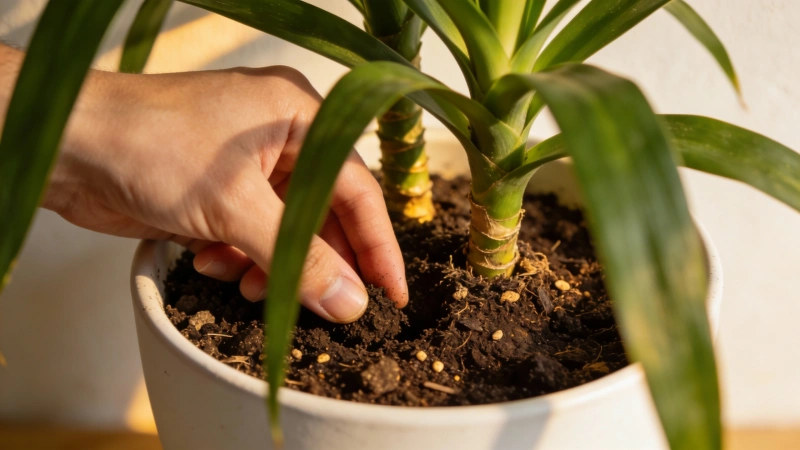
- Check the soil first: Stick your finger 2 inches into the soil. Only water if it feels completely dry.
- Water thoroughly: Pour water until it drains from the bottom holes.
- Empty the saucer: After 30 minutes, dump any excess water. Dracaenas hate sitting in water.
- Adjust for seasons: Water less frequently in fall and winter when growth slows.
| Season | Frequency | Signs to Watch |
|---|---|---|
| Spring/Summer | Every 7-10 days | Active growth, soil dries faster |
| Fall/Winter | Every 2-4 weeks | Slower growth, check soil before watering |
3. Soil and Repotting: Setting Up for Success
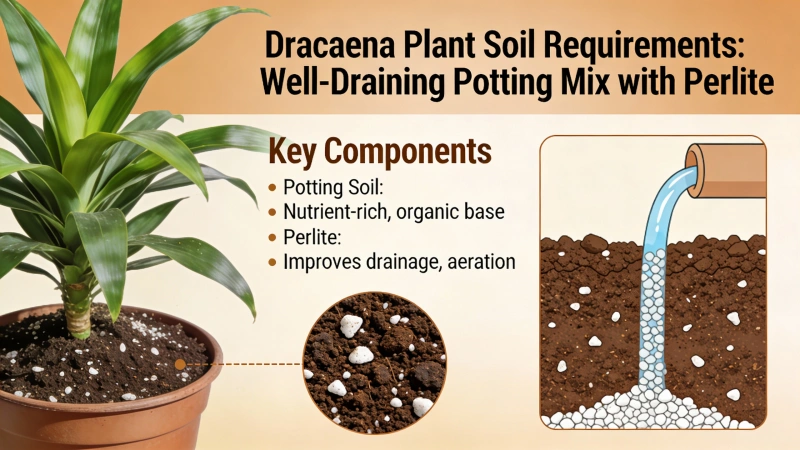
Dracaenas need soil that drains well. Soggy roots = root rot = dead plant.
I learned this the hard way. My first Dracaena came in a decorative ceramic pot with no drainage holes. Big mistake.
My go-to soil mix:
- 3 parts regular indoor potting mix
- 1 part perlite (for drainage and aeration)
This combination holds enough moisture to keep roots happy while allowing excess water to drain quickly.
When to repot:
- Every 2-3 years
- When roots grow out of drainage holes
- Best time: early spring
Choose a pot only 1-2 inches larger than the current one. Dracaenas actually tolerate being slightly root-bound, and an oversized pot holds too much moisture.
If you’re looking for other low-maintenance plants with similar soil needs, check out my guide on how to care for a Snake Plant. Both plants prefer well-draining soil and are forgiving of occasional neglect.
4. Temperature and Humidity: Creating the Right Environment
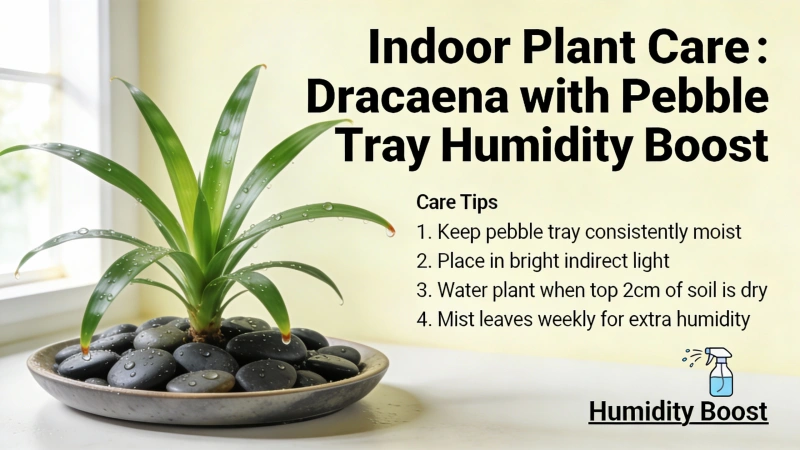
As tropical plants, Dracaenas prefer warm, stable temperatures.
Ideal conditions:
- Temperature: 60-80°F (15-27°C)
- Minimum: Never below 50°F (10°C)
- Humidity: 40-50% or higher
Keep your plant away from:
- Cold drafts near doors and windows
- Air conditioning vents
- Heating registers
If your home gets dry in winter (thanks, central heating), try one of these humidity boosters:
- Pebble tray: Fill a tray with pebbles, add water below the pebble line, and set your pot on top
- Humidifier: Run a small humidifier nearby
- Group plants: Cluster tropical plants together to create a mini humid zone
If humidity is a constant struggle in your space, you might also want to consider a ZZ Plant — it handles dry air even better than Dracaena and makes an excellent companion.
5. Fertilizing: Less Is More
Dracaenas are light feeders. Over-fertilizing can actually damage them.
My fertilizing schedule:
- Spring/Summer: Once a month with a balanced liquid fertilizer at half strength
- Fall/Winter: Skip fertilizing entirely — the plant is resting
Important warning: Avoid fertilizers containing superphosphate, as they can contain fluoride that will harm your plant.
I fertilized too heavily my first summer and saw leaf tip burn get worse. Now I stick to a “less is more” approach, and my plant is much happier.
6. Pruning and Propagation: How I Turned One Plant Into Two
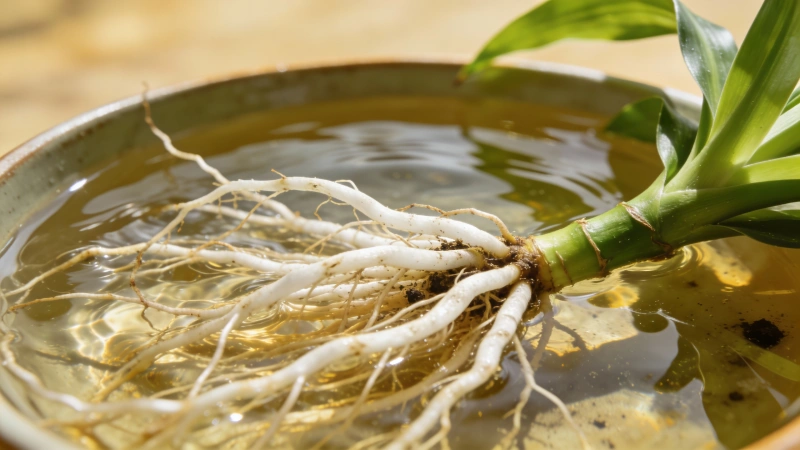
One of my favorite things about Dracaena? They’re incredibly easy to propagate.
In spring 2024, my plant had gotten tall and leggy. I was nervous about cutting it, but I finally took the plunge — and six weeks later, I had roots.
How to propagate Dracaena (my method):
- Make your cut: Use clean, sharp scissors. Cut the top of the plant at a 45-degree angle, including at least 2-3 leaf nodes
- Root in water: Place the cutting in a jar of distilled water. Keep the nodes submerged but leaves above water
- Wait patiently: Change the water weekly. Roots typically appear in 3-8 weeks
- Plant when ready: Once roots are about 1-2 inches long, plant in well-draining soil
Don’t worry about the mother plant — new growth will sprout from the nodes just below where you cut. My original plant now has two new branches!
Watch: This video shows the propagation process in action:
My Dracaena Journey: From Struggling to Thriving
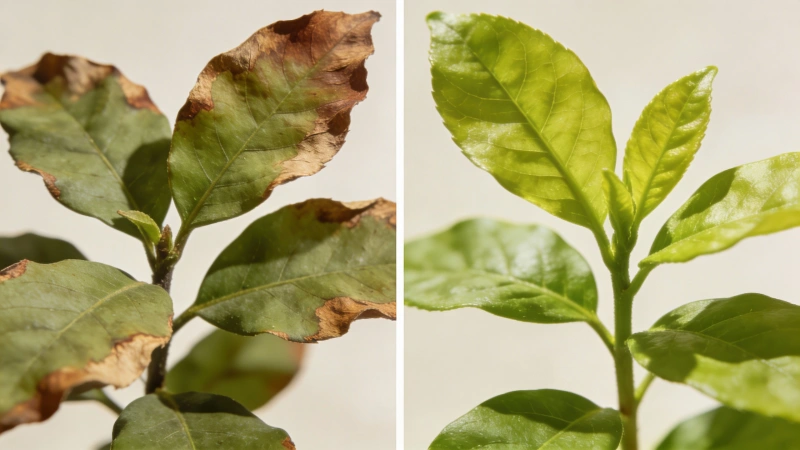
Where I Started
In spring 2022, I brought home a 2-foot Dracaena marginata from my local nursery. I was confident — after all, everyone says these plants are “impossible to kill.”
I placed it near a north-facing window and watered it weekly with tap water, just like my other houseplants.
The Problems I Encountered
About six weeks in, I noticed the leaf tips turning brown. No big deal, I thought — maybe it needs more water.
Wrong move.
By month three, things had gotten worse. I was losing 3-4 leaves every week. The remaining leaves had brown tips spreading inward. The plant looked sad.
I checked for pests. Nothing. I moved it to different spots. No improvement. I was genuinely confused.
How I Fixed It
Desperate, I posted in an online plant forum. A veteran plant parent asked one simple question: “What water are you using?”
That was my lightbulb moment.
I immediately switched to distilled water. I also repotted with a perlite-amended soil mix and moved the plant to my east-facing window.
The Results
Within three weeks, the new leaves coming in had no brown tips at all.
Today, 2.5 years later:
- My plant has grown from 2 feet to 3.5 feet tall
- Leaf drop went from 3-4 per week to 1-2 per month (normal aging)
- I successfully propagated a second plant in 2024
- Both plants are thriving
My Biggest Lesson
Sometimes the problem isn’t how much you care for your plant — it’s what you’re caring for it with.
I spent months adjusting watering schedules and light levels when the real issue was in my water all along.
7 Dracaena Care Mistakes to Avoid
Learn from my errors (and the mistakes I see others make):
| ❌ Mistake | ✅ Better Approach |
|---|---|
| Using tap water | Use distilled or rainwater |
| No drainage holes in pot | Always use pots with drainage |
| Watering more when plant struggles | Check soil moisture first |
| Placing in direct sunlight | Stick to bright, indirect light |
| Same watering schedule year-round | Reduce watering in winter |
| Using heavy, dense soil | Add perlite for drainage |
| Repotting too frequently | Only repot every 2-3 years |
One more thing to watch for: stressed Dracaena plants can attract pests like spider mites and mealybugs. While these aren’t super common, a weakened plant is more vulnerable. If you’re dealing with any bug issues in your indoor garden, our guide on how to get rid of stink bugs covers some general pest management strategies that can help.
Dracaena Troubleshooting: Quick Diagnosis Guide
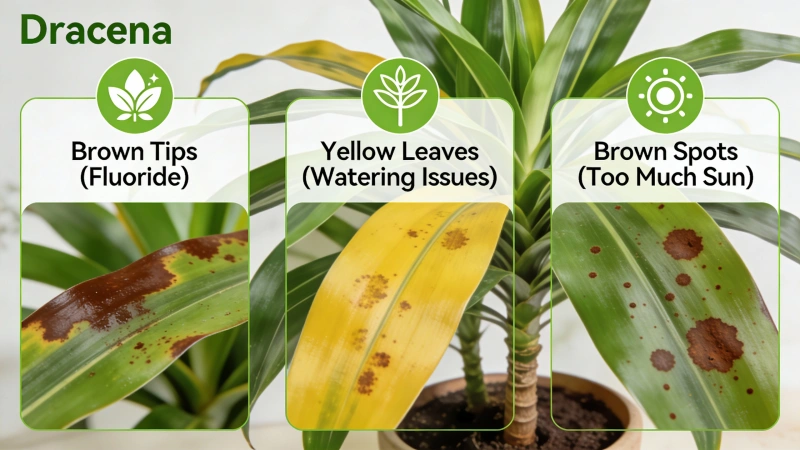
Here’s a quick reference for diagnosing common Dracaena problems:
| Symptom | Likely Cause | Solution |
|---|---|---|
| Brown leaf tips | Fluoride in tap water | Switch to distilled water |
| Yellow leaves (bottom) | Natural aging OR overwatering | Normal if only oldest leaves; check soil |
| Yellow leaves (top/new) | Root rot or transplant stress | Check roots; reduce watering |
| Brown spots on leaves | Too much direct sun | Move to indirect light |
| Droopy, wilting leaves | Underwatering or cold temps | Water if dry; check for drafts |
| Leggy, stretched growth | Insufficient light | Move to brighter spot |
| Slow or no growth | Low light, no nutrients | Improve light; fertilize in spring |
Pro tip: If you’re unsure what’s wrong, start by checking your water source. Fluoride issues are the most common — and most overlooked — problem with Dracaenas.
Popular Dracaena Varieties: Which One Is Right for You?
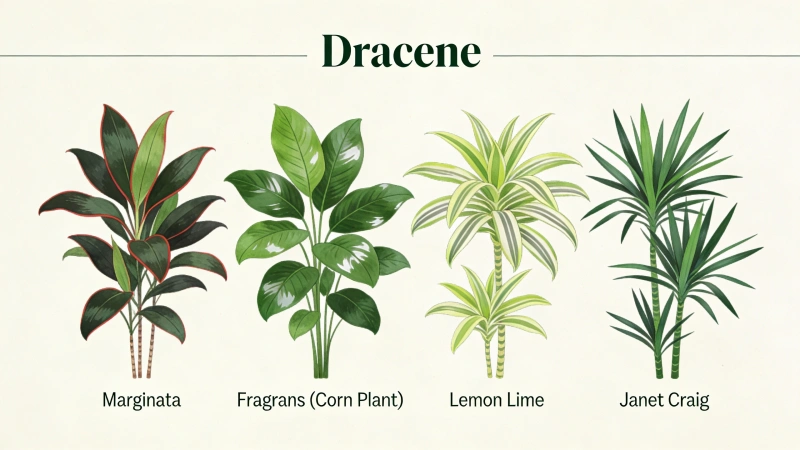
The Dracaena family has over 100 species. Here are the ones you’ll most commonly find:
| Variety | Key Features | Best For |
|---|---|---|
| D. marginata (Dragon Tree) | Thin, red-edged leaves; tree-like form | Beginners, dramatic corners |
| D. fragrans (Corn Plant) | Thick trunk; wide, corn-like leaves | Low-light rooms |
| D. ‘Lemon Lime’ | Bright yellow-green striped leaves | Adding a pop of color |
| D. ‘Janet Craig’ | Dark green, glossy; compact growth | Offices, low-light spaces |
| D. sanderiana (Lucky Bamboo) | Can grow in water; bamboo-like stems | Desks, small spaces |
My recommendation for beginners: Start with Dracaena marginata. It’s the one I learned with, and its forgiving nature helped me survive my early mistakes.
Frequently Asked Questions About Dracaena Care
Is Dracaena toxic to pets?
Yes. According to the ASPCA, Dracaena plants are toxic to both cats and dogs. Symptoms of ingestion include vomiting, drooling, and loss of appetite. Keep your Dracaena out of reach if you have curious pets.
How fast do Dracaena plants grow?
Dracaenas are slow growers — expect about 10-12 inches of growth per year under ideal conditions. My plant grew roughly 18 inches in 2.5 years, which is pretty typical. Don’t worry if yours seems to be taking its time.
Can Dracaena survive in low light?
Yes, but with some trade-offs. Growth will be slower, and variegated varieties may lose their colorful markings. For best results, provide bright, indirect light — but if you only have a darker corner, your Dracaena will adapt.
Why are the tips of my Dracaena turning brown?
The most common cause is fluoride sensitivity from tap water. Switch to distilled or rainwater, and you should see healthier new growth within a few weeks. Unfortunately, existing damage is permanent — trim brown tips if they bother you.
How often should I repot my Dracaena?
Every 2-3 years, or when you see roots growing out of the drainage holes. Spring is the best time to repot. Choose a container only 1-2 inches larger than the current one.
Can I put my Dracaena outside in summer?
Yes! Just avoid direct sunlight (it can scorch the leaves) and bring it back indoors when nighttime temperatures drop below 50°F (10°C). My plant loves spending summers on a shaded patio.
Final Thoughts: You’ve Got This
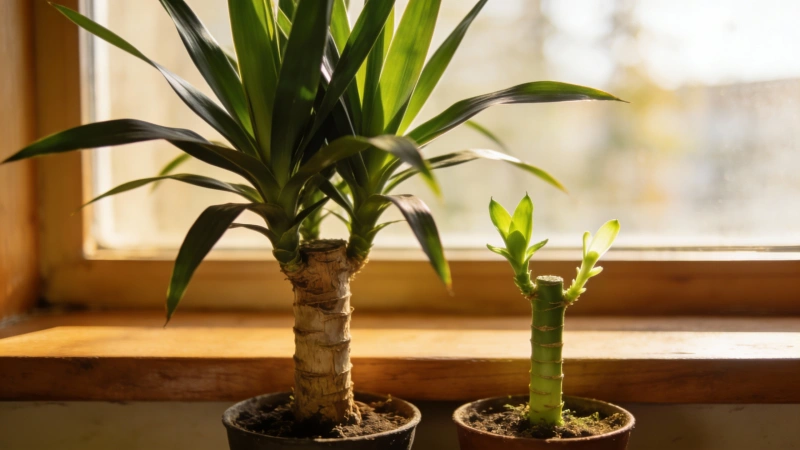
If I could turn my struggling Dracaena into a thriving plant, so can you.
Remember the key points:
- Use distilled or rainwater (this is the game-changer)
- Let soil dry between waterings
- Provide bright, indirect light
- Don’t stress about perfection — Dracaenas are forgiving
These plants have a reputation for being beginner-friendly for a reason. Once you understand their quirks (especially that fluoride sensitivity), they’re incredibly rewarding to grow.
Ready to expand your indoor garden? Check out my guides on how to care for a Snake Plant and how to care for a ZZ Plant. Together with Dracaena, they make the perfect low-maintenance trio for any home.
Got questions about your Dracaena? Drop them in the comments below — I’m happy to help!
Want more Dracaena care tips? Check out this comprehensive video guide:
This article was created by a professional team. AI tools were used during the research and writing process to enhance efficiency and quality. All information has undergone manual verification and editing to ensure accuracy and practicality. We are committed to providing readers with objective and valuable content.
Publisher::meiruth558@gmail.com,Please indicate the source when reposting:https://gardeningtoolsgarden.com/how-to-care-for-a-dracaena-plant/
