
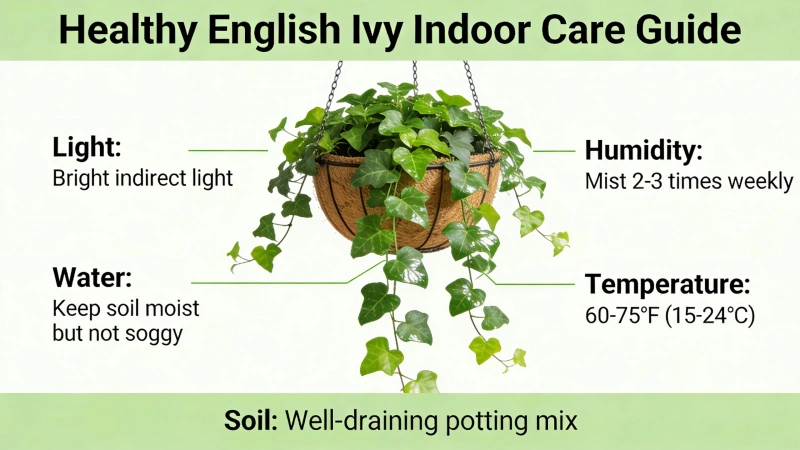

Quick Answer: How to Care for English Ivy
Here’s what English ivy needs to thrive indoors:
- Light: Bright, indirect light (north or east-facing window)
- Water: Let the top 1 inch of soil dry out before watering
- Humidity: 40-50%+ — use a humidifier or pebble tray
- Temperature: 50-70°F (10-21°C) — ivy loves cool conditions
- Biggest threat: Spider mites — shower the leaves monthly to prevent them
What Is English Ivy?
English ivy (Hedera helix) is a classic vining plant with heart-shaped leaves that can add a touch of elegance to any room. Originally from central and northern Europe, this evergreen climber has been a popular houseplant for centuries.
What I love about English ivy is its versatility. You can let it cascade from a hanging basket, train it up a trellis, or let it trail across a bookshelf. It comes in dozens of varieties—from solid green to beautifully variegated patterns with white or gold edges.
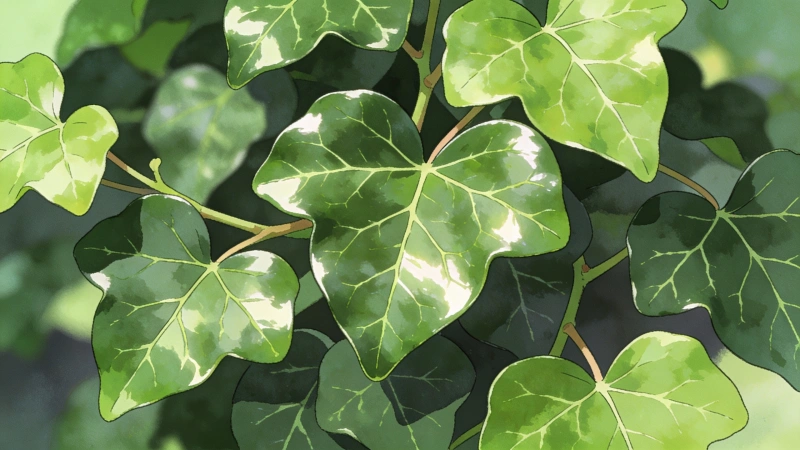
⚠️ Pet Safety Warning: English ivy is toxic to cats and dogs. According to the ASPCA, ingesting the leaves can cause vomiting, abdominal pain, and excessive drooling. If you have pets, keep your ivy in a hanging basket or on a high shelf they can’t reach.
Light Requirements for English Ivy
Here’s something I learned the hard way: English ivy does NOT want direct sunlight.
When I first brought my ivy home, I placed it in a south-facing window, thinking more sun equals happier plant. Within two weeks, the leaf tips started turning brown and crispy. The direct afternoon sun was literally burning the leaves.
English ivy thrives in bright, indirect light. The ideal spots are:
- North-facing window: Gentle, consistent light all day
- East-facing window: Soft morning sun, shade in the afternoon
- A few feet back from a south or west window: Bright but protected from direct rays
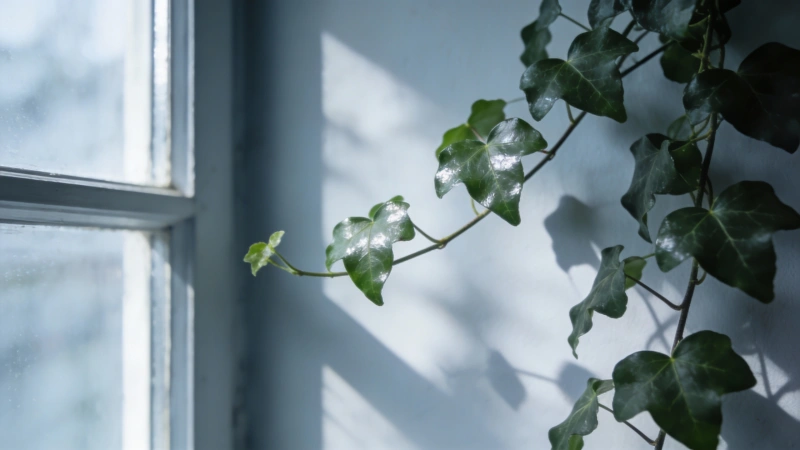
Pro tip for variegated varieties: If you have an ivy with cream or white leaf edges, it needs a bit more light than solid green types. Too little light and those pretty variegations will fade to solid green.
If you’re looking for another plant that thrives in similar indirect light conditions, check out my guide on how to take care of an aloe vera plant—they make great companions.
How to Water English Ivy (Without Killing It)
This is where most people—including me—go wrong.
When I saw my ivy’s leaves turning brown, my first instinct was to water more. Big mistake. According to plant care experts at Costa Farms, brown leaf edges often signal overwatering, not underwatering. The roots get too wet, can’t absorb nutrients properly, and the leaves suffer.
Here’s the golden rule I now follow: Let the top 1 inch of soil dry out before watering again.
My Watering Routine
- Stick your finger in the soil. If the top inch feels dry, it’s time to water.
- Water thoroughly. Pour until water drains from the bottom holes.
- Empty the saucer. Never let your ivy sit in standing water.
- Adjust seasonally. I water every 7-10 days in summer, every 10-14 days in winter.
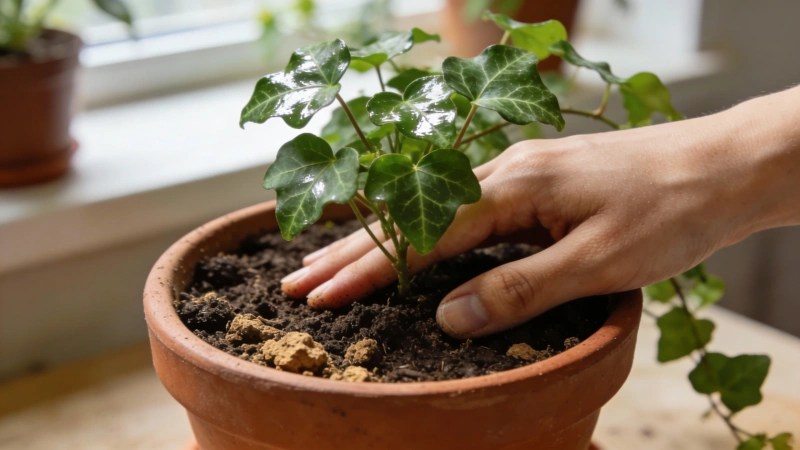
The #1 watering mistake: Using a pot without drainage holes. English ivy’s roots will rot quickly in soggy soil. Always use a pot with holes at the bottom.
If you find English ivy’s watering needs too demanding, How to Care for a Snake Plant might be more your speed—they’re famously drought-tolerant.
Humidity: The Secret Most People Miss
This is the game-changer that saved my dying ivy.
English ivy comes from the cool, moist forests of Europe. It craves humidity. But most homes—especially in winter when the heat is blasting—sit at around 20-30% humidity. That’s basically desert conditions for an ivy.
Low humidity leads to:
- Brown, crispy leaf tips
- Leaves that feel dry and papery
- Spider mite infestations (more on that nightmare later)
5 Ways I Boost Humidity for My Ivy
| Method | Effectiveness | My Notes |
|---|---|---|
| Bathroom placement | ⭐⭐⭐⭐⭐ | Best option — steam from showers does the work for you |
| Humidifier | ⭐⭐⭐⭐⭐ | Essential for winter — I run one from November to March |
| Pebble tray | ⭐⭐⭐⭐ | Fill a tray with pebbles and water; set the pot on top |
| Group plants together | ⭐⭐⭐ | Plants create their own microclimate |
| Misting | ⭐⭐ | Temporary relief — evaporates within hours |
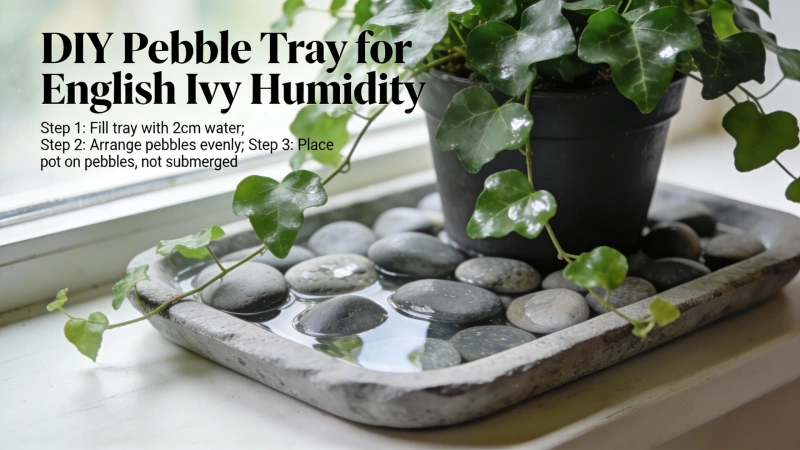
When my ivy was on its last legs, I moved it to the bathroom. One month later, it started pushing out new growth. The steam from daily showers gave it exactly what it needed.
If you enjoy high-humidity plants, how to care for a boston fern covers another beautiful plant with similar humidity requirements.
Temperature: Ivy Likes It Cool
Here’s something that surprised me: English ivy doesn’t want to be warm.
This plant evolved in the cool, damp forests of England and Northern Europe. It actually prefers temperatures between 50-70°F (10-21°C). That’s cooler than most of us keep our homes in winter.
The biggest temperature mistakes I made:
- Placing the pot near a radiator — The dry heat stressed the plant within days
- Putting it near a heating vent — Hot air blasts are an ivy’s worst nightmare
- Leaving it in a drafty doorway — Temperature swings cause leaf drop
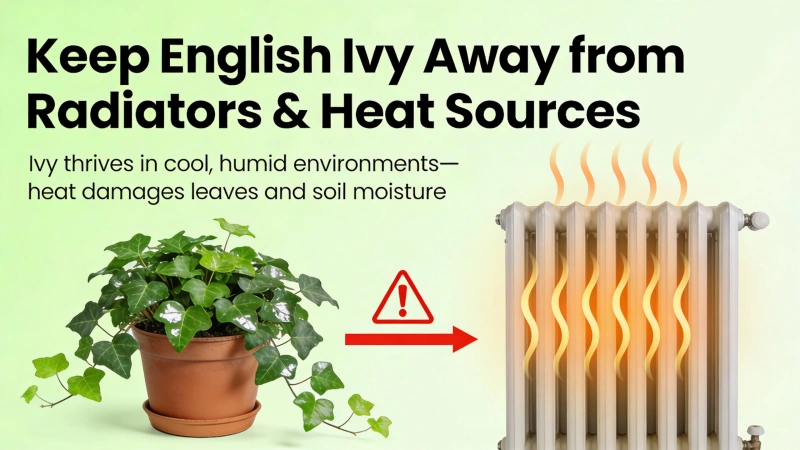
Ideal locations: A cool hallway, an unheated spare room, or a bathroom (which also solves the humidity problem!).
Spider Mites: English Ivy’s #1 Enemy
If there’s one thing you take away from this article, let it be this: English ivy is a spider mite magnet.
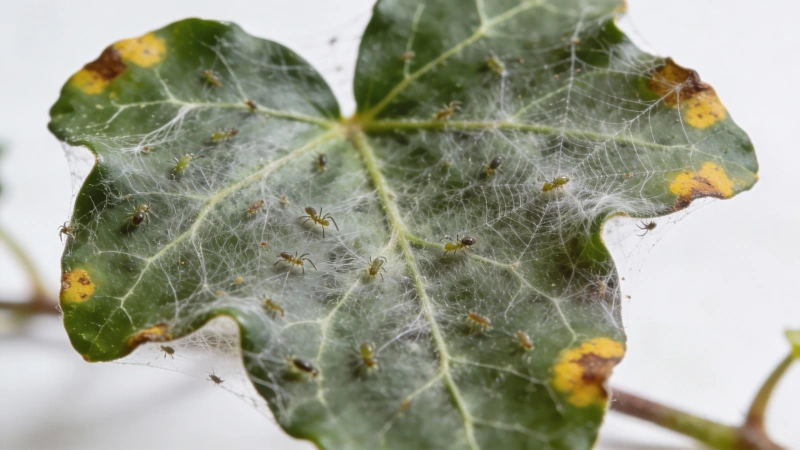
These tiny pests thrive in exactly the conditions most homes offer during winter—warm and dry. I learned this the hard way when I noticed delicate webbing on my ivy’s leaves and wondered why the plant looked so sickly.
How to Spot Spider Mites
Spider mites are barely visible to the naked eye. Look for:
- Fine, silk-like webbing on the undersides of leaves
- Tiny yellow or brown speckles on the leaves
- Leaves that look dusty or dull
- Tiny moving dots (that’s them!)
How to Get Rid of Spider Mites
Comment
byu/sakela from discussion
inplantclinic
When I discovered spider mites on my ivy, I researched every method out there. Here’s what actually worked:
| Treatment | How To Do It | Frequency |
|---|---|---|
| Shower rinse | Blast leaves with water, focus on undersides | Every 3 days for 2 weeks |
| Soapy water dunk | Dunk plant upside-down in soapy water (1 tsp dish soap per quart) | Every 5 days, 4 times total |
| Neem oil spray | Mix per label, spray all surfaces | Weekly for 3-4 weeks |
| Increase humidity | Humidifier, pebble tray, bathroom placement | Ongoing prevention |
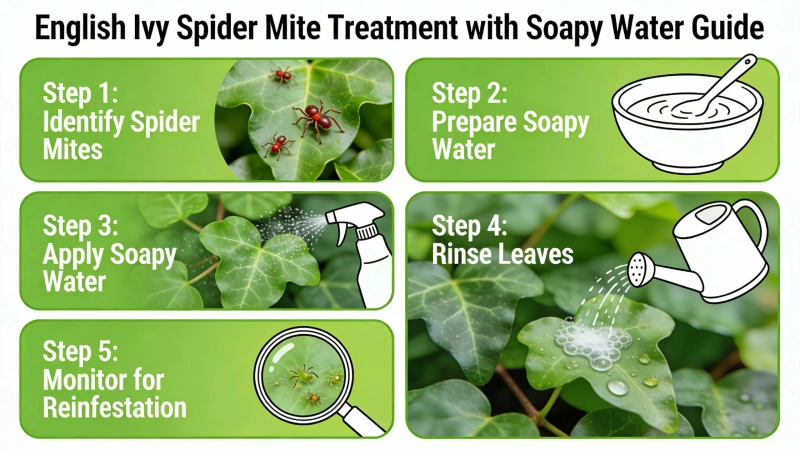
Prevention is easier than treatment. I now give my ivy a monthly “shower”—just putting it in the bathtub and rinsing all the leaves with lukewarm water. It takes 5 minutes and has kept spider mites away for over 12 months.
⚠️ Warning: Spider mites spread fast. If you spot them on one plant, immediately isolate it and check nearby plants. They can destroy an entire collection if left unchecked.
Seasonal Care Calendar for English Ivy
English ivy’s needs change throughout the year. Here’s the schedule I follow:
| Season | Watering | Fertilizing | Special Tasks |
|---|---|---|---|
| 🌱 Spring | Every 7-10 days | Monthly (half-strength) | Repot if needed; take cuttings for propagation |
| ☀️ Summer | Every 5-7 days | Monthly (full-strength) | Move outdoors to shaded patio if desired |
| 🍂 Fall | Every 10-14 days | Stop by October | Bring indoors; check for hitchhiking pests |
| ❄️ Winter | Every 10-14 days | None | Increase humidity; watch for spider mites! |
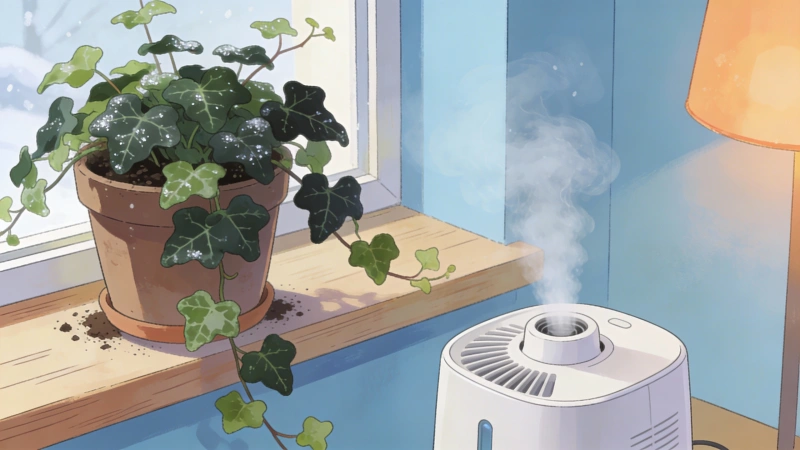
Winter is the hardest season for indoor ivy. The combination of dry heated air, lower light, and reduced watering stresses the plant. I lost the most leaves during my first winter. Now I know to prioritize humidity above all else during these months.
My 2-Year English Ivy Journey: From Near-Death to Thriving
Let me share exactly what happened with my first English ivy—and how I turned things around.
The Starting Point (October 2022)
I bought a beautiful green English ivy from my local nursery. It had lush foliage and vines about 8 inches long. I was excited to add some greenery to my living room.
My setup: South-facing window, 3 feet from a radiator, watered every Saturday “just to be consistent.”
What Went Wrong
Week 2: Leaf tips started turning brown. I figured it needed more water, so I increased watering to twice a week. (Wrong move.)
Week 4: Noticed fine webbing on the undersides of leaves. After some Googling at 2 AM, I realized I had spider mites.
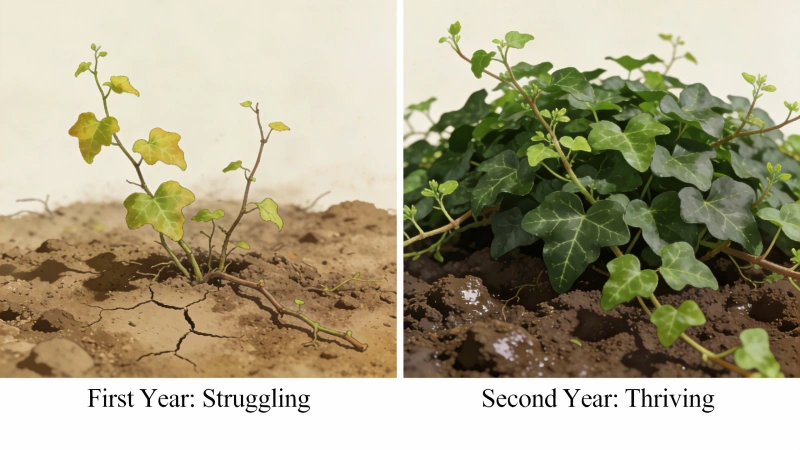
December: The plant had lost about 80% of its leaves. It looked like a skeleton with a few sad survivors clinging on. I nearly threw it away.
How I Fixed It
I made four key changes:
- Moved it to a north-facing window — No more direct sun stress
- Stopped the overwatering — Only watered when the top inch of soil was dry
- Treated the spider mites aggressively — Soapy water dunk every 5 days, 4 times total
- Increased humidity — Moved it to the bathroom for a month, then added a humidifier to my living room
The Results
- 6 months later: New growth appeared. Tiny baby leaves unfurling from the stems.
- 1 year later: The vines grew from 8 inches to over 4 feet long.
- 2 years later: I’ve propagated 8 new plants from cuttings. Gave 4 to friends.
- Winter leaf drop: Went from 80% to about 15%.
- Spider mites: 12+ months without a single recurrence.
What I Learned
Humidity matters more than watering. I was so focused on the watering schedule that I ignored the dry air. Once I fixed the humidity, everything else fell into place.
Ivy is from England, not the tropics. It wants cool, moist air—not the warm, dry environment most of us create indoors.
Prevention beats treatment. A 5-minute monthly shower saves hours of spider mite battles.
Common English Ivy Problems (And How to Fix Them)
If your ivy is showing distress signals, use this quick diagnostic table:
| Symptom | Likely Cause | Quick Fix |
|---|---|---|
| Brown leaf tips/edges | Low humidity; overwatering; too much sun | Increase humidity; check soil drainage; move to indirect light |
| Yellow leaves | Overwatering; poor drainage; needs fertilizer | Let soil dry out; ensure pot has drainage holes; fertilize in spring |
| Dropping leaves | Temperature swings; near heat source; draft | Move to stable location away from heaters/AC |
| Yellow spots + webbing | Spider mites! | Isolate plant; shower rinse; soapy water treatment |
| Variegation fading | Not enough light | Move to brighter (but still indirect) location |
| Slow/leggy growth | Low light; needs pruning | Increase light; pinch tips to encourage bushier growth |
| Mushy stems | Root rot from overwatering | Remove from pot; trim rotted roots; repot in fresh soil |

How to check for root rot: Gently slide the plant out of its pot. Healthy roots are white or light tan and feel firm. Rotted roots are brown or black, feel mushy, and often smell bad. If you find rot, trim off all affected roots with clean scissors and repot in fresh, well-draining soil.
Comment
byu/LumosLin227 from discussion
intakecareofmyplant
How to Propagate English Ivy (Super Easy!)
Good news: English ivy is one of the easiest houseplants to propagate. Once you get the hang of it, you can create unlimited free plants.
I’ve had the most success with water propagation. Here’s my step-by-step method:
Water Propagation Steps
- Choose a healthy stem. Look for vibrant growth, no signs of pests or disease.
- Make your cut. Snip a 4-6 inch section, cutting just below a node (the bump where leaves attach).
- Remove lower leaves. Strip off any leaves that would be underwater—they’ll rot.
- Place in water. Use a clear glass or jar with about 3 inches of water.
- Find a bright spot. Set it near a window with indirect light.
- Change water weekly. This prevents bacteria buildup and keeps roots healthy.
- Wait 3-4 weeks. You’ll see roots forming from the submerged nodes.
- Transplant when ready. Once roots are 2-3 inches long, pot up in soil.
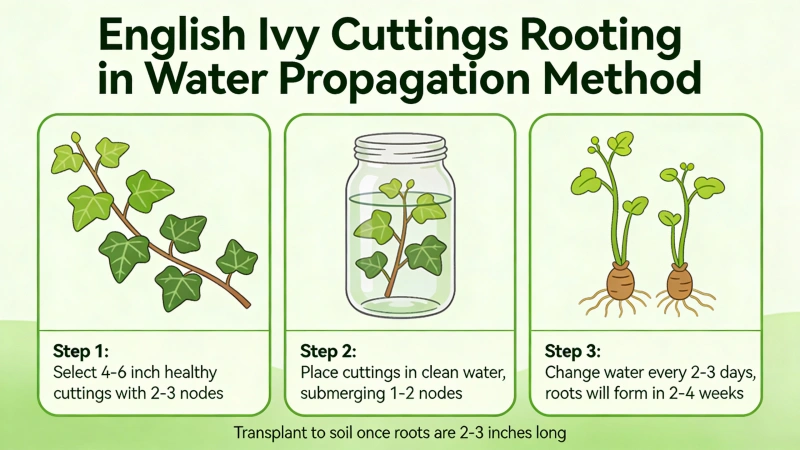
My propagation results: From 10 cuttings, 9 successfully rooted. That’s a 90% success rate. The one that failed had a leaf sitting in the water that rotted.
For more propagation tips, Gardening Know How has a detailed guide on both water and soil methods.
If you enjoy propagating plants, you might also like how to care for a christmas cactus—another easy-to-propagate plant that makes beautiful holiday gifts.
🎥 Watch: English Ivy Propagation Tutorial
This video demonstrates the complete water propagation process:
Frequently Asked Questions
Is English ivy toxic to cats and dogs?
Yes. According to the ASPCA, all parts of English ivy are toxic to pets if ingested. Symptoms include vomiting, drooling, diarrhea, and abdominal pain. Keep your ivy in a hanging basket or on a high shelf if you have curious pets.
Why is my English ivy dropping leaves like crazy?
The most common causes are:
- Low humidity (especially in winter)
- Temperature fluctuations (near heating vents or drafty doors)
- Overwatering leading to root stress
- Recent location change (plants need time to adjust)
Start by checking humidity levels and moving the plant away from any heat sources.
Can English ivy grow in a bedroom?
Absolutely—as long as it gets enough indirect light. Ivy can actually help purify indoor air. Just avoid placing it directly on a nightstand next to a lamp that produces heat, and make sure the room isn’t too warm and dry.
How often should I water English ivy?
There’s no one-size-fits-all answer. Use the finger test: stick your finger an inch into the soil. If it’s dry, water. If it’s still moist, wait a day or two. In my experience, this means watering every 7-10 days in summer and every 10-14 days in winter.
Will spider mites spread to my other plants?
Yes! Spider mites are mobile and will happily move to nearby plants. If you spot them on your ivy, immediately isolate it from your other plants. Check neighboring plants closely for the next few weeks.
How long can English ivy vines get indoors?
With proper care, indoor ivy vines can easily reach 6-8 feet or more. I’ve seen some trailing 10+ feet from hanging baskets. Regular trimming encourages bushier growth if you prefer a fuller look.

Final Thoughts
English ivy has a reputation for being finicky indoors, but once you understand what it actually wants, it’s remarkably rewarding.
Here’s what matters most:
- Bright, indirect light — never direct sun
- Water when dry — not on a schedule
- Humidity, humidity, humidity — this is usually the missing piece
- Cool temperatures — keep it away from heat sources
- Monthly shower — your best weapon against spider mites
I went from nearly killing my first ivy to growing 8 beautiful plants. If I can do it, so can you.
Got questions? Drop a comment below—I’m happy to help troubleshoot!
Happy growing! 🌿
This article was created by a professional team. AI tools were used during the research and writing process to enhance efficiency and quality. All information has undergone manual verification and editing to ensure accuracy and practicality. We are committed to providing readers with objective and valuable content.
Publisher::meiruth558@gmail.com,Please indicate the source when reposting:https://gardeningtoolsgarden.com/how-to-care-for-english-ivy/
