The best way to water plants while you’re on vacation depends on how long you’ll be away, what your plants need, and the conditions in your home. Some houseplants can handle a short trip without a special setup, while others need a wick, a self-watering container, or someone to check on them.
Before you leave, check each plant’s potting mix, water it if it needs it, and let the excess drain. For a longer absence, pick a watering arrangement that suits your plants and test it before the trip. No method guarantees that every houseplant will get the right amount of water for a set number of days.
What to Do Before You Leave
Before you go, check each houseplant’s potting mix, water it if it needs water, and make sure excess water can drain away. Then adjust where the plants sit and set out any supplies someone will need to care for them.

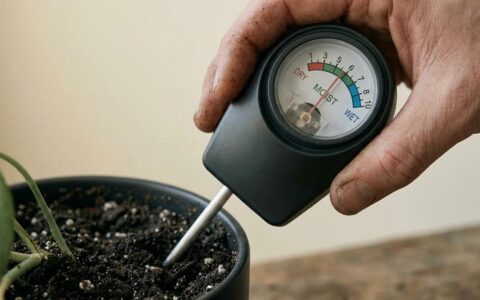
Check the Potting Mix Before Watering
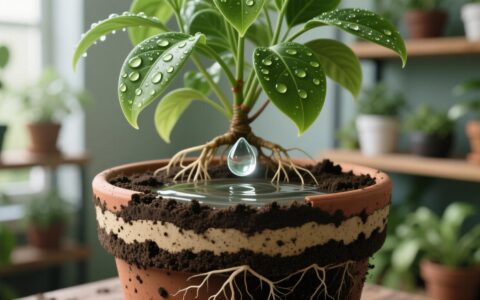
Check each plant individually rather than watering every pot on the same schedule. Watering needs vary with the plant, pot size, potting mix, light, and indoor conditions.
If a plant needs water before you leave, water it thoroughly and let the excess drain. Don’t give every plant extra just because you’ll be away. Overwatering can leave the mix excessively wet and increase the risk of root problems.
For help checking soil moisture and deciding when to water, see our guide to how to water houseplants. If you’re unsure how to assess moisture below the surface, our guide to how to use a soil moisture meter explains how to interpret readings alongside the condition of the potting mix.
Move Plants Away From Direct Sunlight
Move houseplants out of direct sunlight, especially away from warm windows where they may lose moisture faster. Choose a spot with suitable indirect light rather than complete darkness, and keep each plant’s light requirements in mind. The goal is to reduce unnecessary water loss without putting plants in unsuitable conditions.
Organize Plants and Supplies
Arrange your houseplants so they’re easy to inspect and water if needed. Grouping them in one convenient spot can also make things simpler for anyone looking after them.
Put the watering can and other supplies somewhere accessible before you leave. If a friend or neighbor will help, point out the plants, explain which ones may need water and how to check their potting mix, and mention which pots shouldn’t be left sitting in collected water.
How Long Can Houseplants Go Without Water?
How long houseplants can go without water depends on the plant, pot size, potting mix, light, temperature, and indoor conditions. Some established houseplants may manage a short trip without special arrangements, while others need extra care. Start with the length of your trip when deciding how to prepare.
For a Short Trip
If you’ll be gone just a few days, check each plant’s potting mix before you leave and water only the ones that need it. Many established houseplants may not need a special watering system for a brief absence, depending on their needs and growing conditions.
Skip the extra water “just in case.” Make sure the plants that need watering get it, and let the excess drain.
For One to Two Weeks
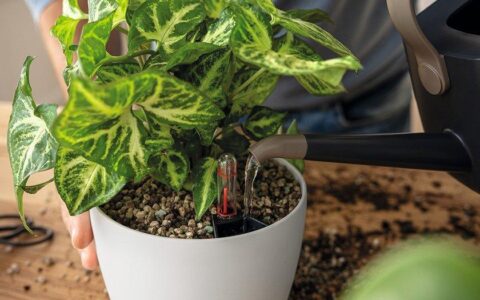
For an absence of one to two weeks, think about whether your plants can stay suitably moist without regular attention. A self-watering container or wick system may supply water gradually, depending on the setup and the plant’s needs.
Don’t assume a reservoir or watering device will last the whole trip until you’ve tested it. Container size, water capacity, and how fast a plant uses water all affect how well the arrangement works.
For Several Weeks or Longer
For an extended absence, a reliable friend, neighbor, or plant sitter is often the more adaptable option. A person can assess individual plants and water the ones that need it, rather than relying entirely on a passive system.
Before you go, explain each plant’s needs and show the person how to check the potting mix. If you plan to use a self-watering system or wick, test it beforehand so you can catch problems before your trip.
Treat these time frames as planning guidelines, not guarantees of how long a plant will survive. Base your arrangement on your plants and their growing conditions rather than assuming every houseplant can go the same number of days without water.
Ways to Water Houseplants While You’re Away
Several methods can keep houseplants watered while you’re on vacation, including self-watering containers, wick systems, and bottle-style watering devices. The best choice depends on how long you’ll be gone, how much water your plants need, and whether you’ve tested the setup beforehand.
Use a Self-Watering Container
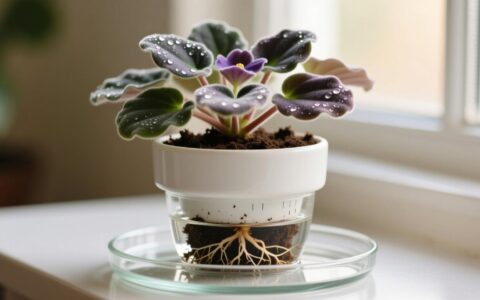
A self-watering container holds water in a reservoir and supplies moisture to the potting mix as needed. It can be useful for an absence of one to two weeks, depending on the plant, reservoir capacity, and indoor conditions. For more detail on reservoir designs and how they deliver water to the growing medium, see our guide to how self-watering planters work.
Before relying on one, confirm that the system works and that the reservoir holds enough water for your plant’s expected needs. Not every self-watering pot will last the same number of days.

Try a Wick-Watering System
A wick system moves water from a separate reservoir into the potting mix through a wick, which can provide a gradual supply while you’re away.
Set up the reservoir so the wick can draw water into the growing medium, then test the system before you leave. How much water gets delivered depends on the setup and the plant’s needs, so don’t treat a wick as a guaranteed watering schedule.
Consider a Watering Bottle or Spike
A bottle-based watering device or watering spike may help supply water over a short period. The rate at which water reaches the potting mix can vary, though, and these devices may not work equally well with every container or plant.
If you try one, test it in advance. Check whether water is released at an appropriate rate and whether the mix stays adequately moist without becoming saturated. Don’t assume a particular bottle size or device will keep every houseplant watered for a fixed number of days.
Test any watering system before traveling. Watch how the potting mix responds and whether the water supply is adequate for that plant. For longer trips, or for plants with different watering needs, having someone check on them may be more adaptable than relying on a single device.
When Should You Ask Someone to Water Your Plants?
Ask a reliable friend, neighbor, or plant sitter if you’ll be away for several weeks, your travel dates are uncertain, or your houseplants have different watering needs. A person can assess each plant and water it when needed rather than relying entirely on an automatic system.
For a shorter trip, you may not need anyone to visit if your plants can manage the absence under your indoor conditions. Consider their individual needs and whether your watering arrangement can maintain suitable moisture while you’re gone.
Make a Simple Plant-Care Checklist
Before you leave, write down basic care instructions for each plant. Your helper won’t necessarily know which plants need frequent watering and which prefer their potting mix to dry between waterings.
Your checklist should include:
- Plant names or locations: Label the pots or group them so each plant is easy to identify.
- Watering instructions: Explain how to check the potting mix and when each plant may need water.
- Special considerations: Note any plants that need closer attention or have different moisture preferences.
- Supplies: Leave the watering can and other necessary items somewhere easy to find.
- Drainage reminders: Ask your helper to empty saucers or outer pots rather than leaving plants standing in collected water.
Keep the instructions straightforward so your plant sitter can make decisions based on each plant’s needs instead of watering every pot automatically.
If you’re using a wick system or self-watering container, explain how it works and show your helper what to check. These systems can reduce routine watering, but don’t assume they’ll work perfectly for the whole trip.
Vacation Watering Mistakes to Avoid
Preparation helps, but a few common shortcuts can backfire.
Overwatering Before You Leave
Don’t water every plant extra heavily just because you’ll be away. Check the potting mix first and water only when the plant needs it. After watering, let the excess drain and empty any water collected in saucers or decorative outer pots.
A plant left sitting in water can have an excessively wet root zone, even if you meant to keep it from drying out.
Assuming a Watering Device Will Last the Entire Trip
Wick systems, watering bottles, and self-watering containers don’t all deliver water at the same rate. Performance depends on the setup, the container, and the plant’s needs.
Test your chosen method before you travel. If the trip is lengthy or the system seems unreliable, consider arranging for someone to check on your plants.
Using a Plastic Bag Incorrectly
A clear plastic bag can help retain moisture around a houseplant, but it has to be positioned carefully. If you use this method, keep the bag out of direct sunlight and make sure it doesn’t touch the foliage.
Don’t assume it suits every plant or that it removes the need to consider the plant’s growing conditions.
Relying on Water-Retaining Crystals Alone
Water-retaining crystals or hydrogels may seem like a convenient way to supply moisture during a vacation, but their performance isn’t always reliable. Don’t treat them as your only safeguard against underwatering during an extended absence.
Giving Every Plant the Same Treatment
Houseplants differ in their moisture needs, so a method that works for one pot may not work for another. Some plants may need additional water while you’re gone, while others can stay adequately moist without a special system.
Check each plant individually and plan accordingly. The goal is to maintain suitable moisture while you’re away, not to keep every pot constantly wet or to assume one method will work for your whole collection.
Editorial Note: This article was written and edited by Spring Mei. AI tools may be used to assist with research and organizing information. The final content is reviewed before publication, and important factual claims are checked against reliable sources where appropriate. Personal experience is distinguished from general guidance, and methods are described as personally tested only when they have actually been tested.
Please indicate the source when reposting:https://gardeningtoolsgarden.com/how-to-water-houseplants-while-on-vacation/
Author: Spring Mei