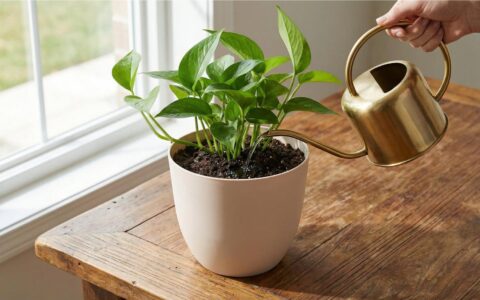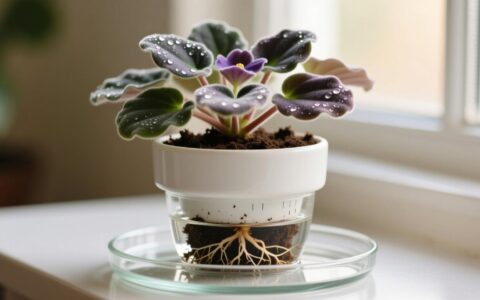
Self-watering planters store water in a reservoir and deliver it to the potting mix through a wick, a column of growing medium, or another built-in mechanism. That can reduce how often you need to water, but it doesn’t remove the need to check the soil or to match the setup to your plant.
Below, you’ll find how these planters work, how to set one up, and when to refill it, so you can decide whether one suits your houseplants. For the broader principles behind deciding when to water, see our guide to how to water houseplants.
What Is a Self-Watering Planter?
A self-watering planter is a container that stores water separately from the main growing area and supplies it to the potting mix through a built-in system. Most designs include these parts:
- Water reservoir: A space beneath or alongside the growing area that holds water for the plant to draw from.
- Growing area: The section containing the potting mix and plant roots.
- Water-transfer mechanism: A wick, soil column, or another connection that moves water from the reservoir into the growing medium.
- Additional components: Depending on the design, a perforated platform, fill tube, water-level indicator, or overflow hole.
The structure isn’t the same in every model. Some planters rely on a wick to draw water into the potting mix, while others use a column of growing medium to connect the reservoir to the root zone. Certain designs also allow roots to extend through openings into the reservoir.
What sets a self-watering planter apart from an ordinary pot is that built-in storage and delivery. Water doesn’t have to come only from above; the planter gives moisture a second route to the roots.
For more on the components and design of these containers, see the University of Maryland Extension’s guide to self-watering containers.
How Do Self-Watering Planters Work?
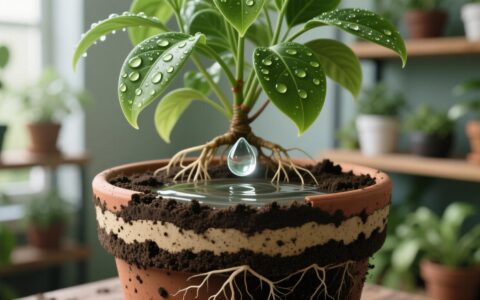
Self-watering planters move water from a reservoir into the potting mix through a wick, a column of growing medium, or another built-in connection. In many designs, capillary action helps draw that water through the growing medium, where plant roots can use it.
The details vary, but the principle holds: water is stored separately and reaches the growing area through a built-in pathway.
How Wick-Based Self-Watering Planters Work
In a wick-based system, one end of the wick sits in the water reservoir and the other extends into the potting mix. The wick draws water upward, which helps keep the growing medium moist.
As the plant takes up water from the mix, the wick can keep moving more in from the reservoir. How well this works depends on the wick, the growing medium, and the plant’s water needs.

Wick systems are used for some houseplants, including African violets. Even so, the growing medium needs adequate aeration and shouldn’t stay excessively wet. The University of Minnesota Extension’s African violet care guide has more guidance on wick watering for these plants.
How Soil-Column Systems Work
Some self-watering planters use a column of growing medium to connect the reservoir to the main growing area. Water moves up this column and into the surrounding medium through capillary action.
Depending on the design, a perforated platform may separate the reservoir from the growing area, and some designs allow roots to extend through openings into the reservoir. Because planters differ in how they move water, follow the manufacturer’s instructions for your container rather than assuming every model works the same way.
Do Self-Watering Planters Prevent Overwatering?
No. A self-watering planter supplies water, but it doesn’t decide how much moisture a particular plant needs. The growing medium, root system, plant species, and growing conditions all affect how the system performs, and if the mix stays wetter than the plant can tolerate, the reservoir won’t fix that.
These planters can cut down on routine watering. They don’t replace checking the potting mix and watching how the plant is doing.
What Are the Benefits and Limitations of Self-Watering Planters?
Self-watering planters can reduce routine watering and give plants that like steady moisture a more consistent supply. They aren’t maintenance-free, though, and how well they work depends on the planter’s design, the potting mix, and the plant’s watering needs.
Benefits of Self-Watering Planters
- Less frequent manual watering: The built-in reservoir supplies water to the growing medium, so you may not need to water from above as often.
- A more consistent moisture supply: Water can move from the reservoir into the potting mix as the plant uses it, which helps plants that prefer steady moisture.
- Convenient water storage: A separate reservoir makes it easier to replenish the supply.
- Useful for certain houseplants: Plants that benefit from steady moisture, such as African violets grown with an appropriate wick system, may do well with this approach.
Actual results depend on reservoir capacity, the growing medium, the water-transfer mechanism, and what the plant needs.
Limitations to Consider
They don’t eliminate the risk of overwatering. The planter doesn’t adjust its water supply to match each plant’s needs. If the potting mix stays too wet, this type of system may not suit that plant.
Not every plant prefers consistent moisture. Plants that need the growing medium to dry between waterings may need a different watering approach.
The growing medium matters. The mix has to let water move through while still leaving enough air around the roots. A medium that doesn’t work with the planter’s design can affect how well water reaches the root zone.
The reservoir still needs attention. You’ll need to monitor the water supply, check the growing medium, and watch the plant’s condition.
If you’re comparing watering methods, our guides to how to bottom water houseplants and watering houseplants while on vacation cover other approaches for specific situations.
How to Set Up and Use a Self-Watering Planter
To use a self-watering planter, first identify how its reservoir and water-transfer system work, then choose a potting mix suited to both the plant and the container. Follow the manufacturer’s setup instructions, since wick-based planters and other reservoir designs may need different preparation.
1. Check the Planter’s Design
Before adding potting mix, identify the main components: the reservoir, the growing area, and any wick, fill tube, water-level indicator, or overflow opening.
If your planter uses a wick, position it according to the manufacturer’s instructions so it can carry water from the reservoir into the growing medium. Not all self-watering planters use wicks, so don’t add one to a design that relies on another mechanism.
2. Choose a Suitable Potting Mix
Use a potting mix that suits your plant and works with the planter’s watering system. It needs to let water move through while keeping enough air around the roots.
Mixes retain and move water differently, so one that works well in a conventional pot may not perform the same way in every self-watering design. Follow any growing-medium recommendations that came with the planter.
3. Plant Without Disturbing the Watering System
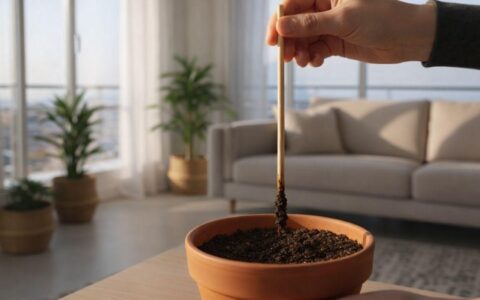
Add the potting mix and position your plant as you would when repotting, taking care not to disturb the water-transfer components.
If the system uses a wick or a column of growing medium, make sure the intended connection between the reservoir and the growing area is in place. Avoid compacting the mix more than necessary, since it needs a structure that allows both water movement and root aeration.
4. Moisten the Potting Mix and Fill the Reservoir
Follow the planter’s instructions for moistening the growing medium and filling the reservoir. Some designs call for watering from above during setup, while others have different startup procedures.
Filling the reservoir won’t necessarily moisten all the potting mix right away. Check the medium itself to confirm the water-transfer system is working as intended.
5. Monitor Moisture After Setup
Early on, check the potting mix and watch how your plant responds. You’re looking for two things: whether moisture is reaching the growing area, and whether the medium stays appropriately moist for your plant.
If the reservoir has water but the mix stays dry, check the wick or other water-transfer connection, the growing medium, and the setup instructions. If the mix stays excessively wet, reassess whether the planter’s design and moisture conditions suit your plant.
Once you see how your particular system behaves, you can make better decisions about when to refill the reservoir and when to reassess the plant’s watering needs.
Which Houseplants Are Suitable for Self-Watering Planters?
Self-watering planters are often a good fit for houseplants that benefit from consistent moisture, provided the planter and potting mix suit the plant. Plants that prefer to dry out between waterings may need a different setup or closer monitoring.
Rather than choosing a planter based on a plant’s name alone, consider its moisture requirements and whether the system can meet them.
Plants That Benefit From Consistent Moisture
African violets are one example of houseplants that can be grown with a wick-watering system. A properly set up wick can draw water from a reservoir into the growing medium and help keep moisture consistent.
The mix still needs adequate aeration, though, and consistent moisture doesn’t mean keeping the roots constantly saturated.
Other plants may also work well in self-watering planters, but suitability depends on the species, growing conditions, potting mix, and container design. Don’t assume every moisture-loving plant will thrive in every system.
What About Succulents and Other Plants That Prefer Drier Soil?
Be more cautious with plants that need their potting mix to dry between waterings. A reservoir system can keep supplying moisture when the plant would benefit from a drier period.
For these plants, consider whether the planter gives you enough control over moisture and whether the mix provides adequate aeration. If you can’t reliably maintain the plant’s preferred moisture conditions, a conventional pot with drainage holes may be a better choice.
How to Decide Whether a Self-Watering Planter Is Right for Your Plant
Before using one, check three things:
- Moisture requirements: Does your plant prefer consistently moist potting mix, or does it need the mix to dry between waterings?
- Growing medium: Can the potting mix move water effectively while maintaining adequate aeration around the roots?
- Planter design: Do the reservoir and water-transfer mechanism suit the plant’s needs?
When Should You Refill a Self-Watering Planter?
Refill the reservoir when it needs more water, but check the potting mix as well. An empty reservoir doesn’t always mean the plant is already underwatered, and a full one doesn’t guarantee that water is reaching the roots.
Check the Water Level
If your planter has a water-level indicator, use it to monitor the reservoir. Without one, follow the manufacturer’s instructions for checking how much water remains.
Avoid relying on a fixed refill schedule. How quickly a reservoir empties depends on the planter’s capacity, the plant’s water use, the growing environment, and the design of the water-transfer system. Seasonal changes can also affect watering needs; see our guide to watering houseplants in winter for winter-specific considerations.
Check the Potting Mix, Too
The reservoir tells you how much water is available. The potting mix tells you whether that water is reaching the growing area.

- If the reservoir is empty and the mix is getting dry: Refill the reservoir according to the planter’s instructions, and check whether the plant needs additional watering during the refill.
- If the reservoir has water but the mix is dry: Inspect the wick or other water-transfer mechanism to make sure it’s working properly.
- If the mix stays excessively wet: Reassess whether the planter and potting medium suit your plant’s moisture requirements before adding more water.
These checks matter most while you’re still learning how your planter behaves.
Follow the Planter’s Refill Instructions
Reservoir designs differ, so follow the manufacturer’s guidance on where to add water and how much to use. Some models have a fill tube or water-level indicator, and others work differently.
Don’t assume every reservoir should be filled to the same level, or that every plant can go the same number of days between refills. The most reliable routine combines reservoir checks with checks of the growing medium and the plant’s condition, so the reservoir isn’t your only signal that the plant needs attention.
Common Self-Watering Planter Problems and How to Troubleshoot Them
If your self-watering planter isn’t working as expected, check three places: the water reservoir, the connection between the reservoir and the potting mix, and the moisture level around the roots. A full reservoir doesn’t mean the mix is getting enough moisture, and consistently wet potting mix may mean the setup doesn’t suit your plant.
The Reservoir Has Water, but the Potting Mix Is Dry
If the reservoir has water but the growing medium stays dry, the water-transfer system may not be working properly. Check the following:
- Inspect the wick or water-transfer connection. If your planter uses a wick, make sure it’s positioned correctly and makes the intended contact with both the reservoir and the potting mix.
- Check the growing medium. The mix has to support water movement through the planter. If it isn’t compatible with the system, water may not reach the growing area as expected.
- Review the setup instructions. Some planters need specific preparation before the reservoir can supply moisture effectively.
Don’t assume that adding more water will fix this. First, determine whether the water already in the reservoir can reach the root zone.
The Potting Mix Stays Too Wet
A self-watering planter can keep the mix too wet when its design, the growing medium, and the plant’s needs aren’t well matched.
Start by checking the actual moisture in the potting mix rather than relying only on the reservoir’s water level. Then consider whether your plant needs the medium to dry between waterings.
If the mix stays excessively wet, reassess whether the planter suits that plant and whether the growing medium provides adequate aeration around the roots. Plants that prefer a drier period between waterings may do better in a conventional pot with drainage holes. If you’re using a decorative planter without drainage holes, see our guide to watering plants without drainage holes for safer setup options. Adjusting the amount of water in the reservoir won’t necessarily correct every moisture problem.
The Wick Doesn’t Seem to Be Working
In a wick-based planter, the wick is the pathway that moves water from the reservoir into the growing medium. If the mix isn’t getting moisture, confirm that the wick is installed according to the manufacturer’s instructions.
Make sure the intended connections are in place and that the wick hasn’t shifted out of position during planting or repotting. If the setup looks right but the medium stays dry, check the planter’s instructions for any specific preparation or maintenance requirements.
This check applies only to wick-based designs, since not all self-watering planters use wicks.
The Plant Still Shows Signs of Water Stress
A self-watering planter doesn’t guarantee that a plant will always get the right amount of water. If your plant looks stressed, check the growing medium and how the system is operating before assuming the reservoir needs refilling.
Ask yourself:
- Is the potting mix actually dry, appropriately moist, or consistently wet?
- Is water moving from the reservoir into the growing medium?
- Does the plant prefer consistent moisture, or does it need the mix to dry between waterings?
- Is the planter’s design suitable for the plant’s watering requirements?
A moisture meter may help you assess the growing medium, but read its results according to the meter’s instructions and the plant’s needs. For help, see our guide to how to use a soil moisture meter.
Whatever the symptom, check the root zone, not just the reservoir. The system works best when the water-transfer mechanism, the growing medium, and the plant’s moisture requirements are compatible.
Editorial Note: This article was written and edited by Spring Mei. AI tools may be used to assist with research and organizing information. The final content is reviewed before publication, and important factual claims are checked against reliable sources where appropriate. Personal experience is distinguished from general guidance, and methods are described as personally tested only when they have actually been tested.
Please indicate the source when reposting:https://gardeningtoolsgarden.com/how-self-watering-planters-work/
Author: Spring Mei